

Experience the legendary Everest Base Camp Trek with a carefully designed package for Indian trekkers. From airport pickup in Kathmandu and Lukla flights to accommodation, permits, experienced guides, acclimatization days and the return journey, our package covers the essential logistics needed for a safe and memorable Himalayan adventure.
Trip Info
-
Ktm - Lukla & Lukla - Ktm flight
-
1 to 15
-
5364 m
-
Sept - Nov & March - May
-
English & Hindi
-
B, L, & D
Overview
The Everest Base Camp Trek for Indian trekkers is an unforgettable Himalayan adventure that takes you through the spectacular Khumbu region of Nepal to Everest Base Camp at 5,364 meters. The journey combines breathtaking mountain views, Sherpa culture, ancient monasteries and beautiful Himalayan villages.
Our Everest Base Camp Trek package covers the major arrangements, including Kathmandu accommodation, Lukla flights, trekking permits, teahouse accommodation, experienced guides and other services mentioned in the itinerary.
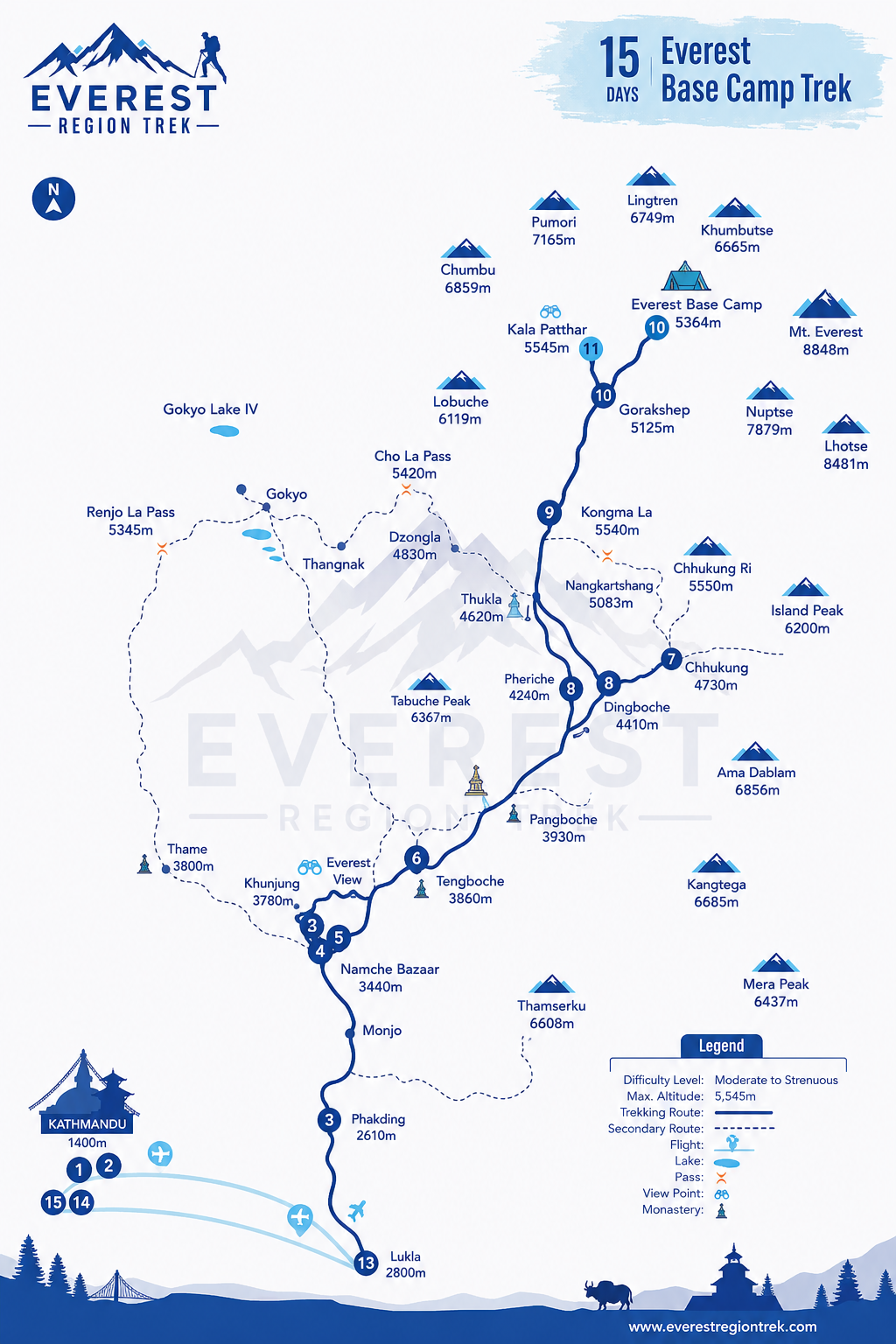
The trek begins in Kathmandu and continues with a scenic flight to Lukla. From there, you walk through Phakding, Namche Bazaar, Tengboche, Dingboche, Lobuche and Gorak Shep before reaching Everest Base Camp. Along the route, you’ll enjoy incredible views of Mount Everest, Ama Dablam, Lhotse, Nuptse and other Himalayan peaks.
We include proper acclimatization days at Namche Bazaar and Dingboche to help you adjust to the increasing altitude. Although the trek is challenging, you don’t need technical climbing experience. With proper preparation, fitness and guidance, beginners can also complete this iconic trek.
Join our Everest Base Camp Trek from India and experience the beauty, culture and adventure of the Himalayas with a professionally organized trekking package.
Book your Everest Base Camp Trek from India and turn your Himalayan dream into reality.
Why Choose Our Everest Base Camp Trek Package for Indian Trekkers?
We designed this Everest Base Camp trekking package to make the journey easier for travelers from India. You don’t have to coordinate every permit, transfer, hotel and trekking service yourself. Our local team manages the logistics while you concentrate on enjoying the Himalayan experience.
A Package Designed Around Your Trek
We arrange your trip from the moment you arrive in Kathmandu. Our team coordinates airport transfers, accommodation, trekking permits, domestic transportation and the trekking itinerary so you can travel with greater confidence.
Experienced Local Trekking Guides
Our experienced local guides lead you through the Khumbu region and help you handle the changing terrain and altitude. They also explain the culture, traditions, monasteries and mountain communities you encounter along the trail.
Proper Acclimatization
We don’t rush you toward Everest Base Camp. The itinerary includes acclimatization stops at places such as Namche Bazaar and Dingboche, allowing your body time to adjust to increasing elevation.
Comfortable Teahouse Accommodation
You stay in traditional Himalayan teahouses along the trekking route. These lodges provide a warm place to rest after long walking days and give you the opportunity to experience the hospitality of the Sherpa communities.
Support Before and During Your Trek
Our team helps you prepare before you leave Kathmandu and remains available throughout your journey. If you have questions about equipment, flights, trekking conditions or the itinerary, you can speak with our trekking staff.
Everest Base Camp Trek Cost for Indian Trekkers
The Everest Base Camp Trek cost for Indian travelers depends on the duration, accommodation standard, group size, transportation arrangements and services included in the package.
Our package price starts from ₹1,35,000 per person. We recommend contacting our team for the current price because flight fares, hotel rates and seasonal demand can affect the total cost.
Your package can cover major trekking expenses such as accommodation, domestic flights, trekking permits, guide services, porter services and meals, depending on the package you choose.
International flights from India to Nepal, travel insurance, personal expenses, trekking equipment, tips and emergency evacuation normally remain outside the standard package unless specifically mentioned.
Want the exact Everest Base Camp Trek price for your travel dates? Contact us for a personalized quotation.
Can Indian Trekkers Go to Everest Base Camp?
Yes. Indian citizens can trek to Everest Base Camp in Nepal. You don’t need special trekking experience simply because you are traveling from India. The same physical preparation, altitude awareness and trekking requirements apply to Indian travelers as they do to other international visitors.
Many Indian travelers choose Nepal for Himalayan trekking because of the country’s proximity, cultural connections and accessibility from major Indian cities.
Do Indians Need a Visa for Nepal?
Nepal’s entry requirements depend on your citizenship and travel circumstances. Indian citizens have specific entry arrangements with Nepal, so you should carry the appropriate identification documents required for your journey.
Before traveling, check the latest official entry requirements and make sure your travel documents meet the current regulations.
Our team can also help you understand the practical documentation you need before starting your Everest Base Camp adventure.
Can Indian Rupees Be Used in Nepal?
Indian travelers can exchange money and use payment methods in Nepal, but you should not rely entirely on Indian currency throughout the trek.
The availability of ATMs and card payments decreases as you travel deeper into the Everest region. Carry enough Nepalese rupees for personal expenses, snacks, drinks, charging and other purchases along the trail.
Your guide can also advise you about where to exchange money and how much cash you should carry.
Is Everest Base Camp Trek Difficult for Indian Trekkers?
The Everest Base Camp Trek is challenging but achievable for properly prepared trekkers.
The main challenge doesn’t come from technical climbing. Instead, you deal with long walking days, steep climbs, rocky terrain, cold temperatures and high altitude.
Your nationality does not determine your ability to complete the trek. Proper training, gradual acclimatization, sensible pacing and preparation matter much more.
Is Indian Food Available During the Everest Base Camp Trek?
You can find vegetarian and Indian-influenced food at many teahouses along the Everest Base Camp route, particularly in popular settlements.
You can commonly find rice, dal, noodles, pasta, vegetables, eggs, momos, soups and other familiar dishes.
However, food options become more limited at higher elevations. We recommend keeping an open mind and choosing nutritious meals that provide enough carbohydrates and energy for long trekking days.
Can Beginners Do the Everest Base Camp Trek?
Yes, beginners can complete the Everest Base Camp Trek if they prepare properly.
You don’t need previous mountaineering experience because the standard EBC route does not require technical climbing skills. However, you should prepare your cardiovascular endurance and leg strength before the trip.
Regular walking, hiking, stair climbing and strength training can help you handle the long days on the trail.
What Fitness Level Do You Need for Everest Base Camp?
You should have enough endurance to walk for approximately 5–8 hours on many trekking days, although the exact walking time varies by route and pace.
Start preparing at least 8–12 weeks before your trek. Combine long walks with stair climbing, hiking, cardiovascular exercise and lower-body strength training.
The goal isn’t to become a professional athlete. You simply need to build the endurance required to walk repeatedly at high altitude.
Best Time for Indian Trekkers to Visit Everest Base Camp
The best seasons for the Everest Base Camp Trek are generally spring and autumn.
Spring: March to May
Spring brings relatively stable trekking conditions, comfortable daytime temperatures and excellent mountain scenery. Rhododendrons also add color to the lower sections of the trail.
Autumn: September to November
Autumn generally offers clear mountain views and stable weather after the monsoon season. This period attracts many trekkers, so popular teahouses and flights can become busy.
Winter: December to February
Winter brings colder temperatures and snow at higher elevations. Experienced trekkers can still complete the route, but you need better cold-weather preparation.
Monsoon: June to August
The monsoon season can bring rain, clouds, slippery trails and transportation disruptions. However, some travelers still choose this period because of fewer trekkers and changing mountain scenery.
Accommodation During the Everest Base Camp Trek
We use teahouses and mountain lodges along the trekking route. These accommodations provide a simple but comfortable place to sleep after each trekking day.
Most rooms use twin-sharing arrangements, while bathroom facilities can become more basic as you climb higher. Many lodges have dining rooms where trekkers eat, relax and socialize.
You may find Wi-Fi, charging facilities and hot showers at some locations, but availability varies by altitude and lodge.
Food During the Everest Base Camp Trek
Food plays an important role in maintaining your energy during the trek.
You’ll find traditional Nepali meals such as dal bhat, as well as noodles, pasta, rice, soup, vegetables, eggs, momos and other teahouse dishes.
Dal bhat remains a popular choice because it combines rice, lentils and other ingredients that provide substantial energy for trekking.
Indian travelers who prefer vegetarian meals can generally find suitable options along the route, although the variety decreases at higher elevations.
Traveling From India to Nepal for the Everest Base Camp Trek
Indian travelers can reach Kathmandu from several major Indian cities, including Delhi, Mumbai, Bengaluru, Kolkata, Hyderabad and Chennai, depending on available flight schedules.
Once you arrive in Kathmandu, our team takes care of the arrangements included in your trekking package.
If you live outside a major city, you can first travel to a major Indian airport and connect to Kathmandu according to your preferred schedule.
We recommend arriving in Kathmandu at least one day before the trekking portion begins so you have enough time to prepare for the journey.
Everest Base Camp Trek Permits
You need the appropriate permits and local permissions to enter and trek through the Everest region.
Our trekking team handles the required permit arrangements as part of the package. You therefore don’t need to spend your valuable travel time navigating the permit process yourself.
We also make sure the necessary documentation remains organized throughout your trek.
Travel Insurance for Everest Base Camp
Travel insurance plays an important role in preparing for a high-altitude trek.
Your policy should cover high-altitude trekking, medical treatment, emergency evacuation and helicopter rescue at the elevations reached during your itinerary.
Don’t assume that a standard travel insurance policy automatically covers trekking above 5,000 meters. Read the policy carefully before purchasing it.
Everest Base Camp Trek Safety and Acclimatization
Altitude represents one of the biggest challenges on the Everest Base Camp Trek.
We follow a gradual itinerary with acclimatization days at Namche Bazaar and Dingboche. Your guide also monitors your condition throughout the trek.
You should walk at a comfortable pace, drink enough fluids, eat properly and communicate with your guide if you experience symptoms such as headache, dizziness, unusual fatigue or difficulty breathing.
Never ignore serious altitude symptoms. Your guide can recommend rest or descent when necessary.
What Makes Our Everest Base Camp Trek Different?
We don’t simply sell you a trekking itinerary. We help you experience the Everest region with a local team that understands the route, altitude and logistics.
Our team focuses on responsible trekking, transparent pricing, experienced guides, proper acclimatization and reliable support.
We also offer private trekking arrangements for travelers who want more flexibility with their walking pace and itinerary.