Experience the magic of the Himalayas in its purest form with the Everest Base Camp Trek in Winter. Walk through peaceful snow-covered trails, explore Sherpa villages, witness crystal-clear mountain views, and stand at the base of the world’s highest peak. With fewer crowds, breathtaking landscapes, and unforgettable winter scenery, this adventure offers a unique and peaceful journey through the legendary Everest region.
Trip Info
-
5,364
-
3 Star Hotel
-
Moderate
-
Dec to Feb
-
B, L, & D
-
Included
Overview
The Everest Base Camp Trek in winter offers a unique opportunity to explore the world’s most famous Himalayan trekking route in a peaceful and breathtaking environment. From December to February, the Everest region experiences cold temperatures, fewer trekkers, crystal-clear mountain views, and snow-covered landscapes that create an unforgettable adventure for those seeking a quieter Himalayan experience.
This winter journey takes you through the legendary Khumbu region, where you walk through traditional Sherpa villages, ancient monasteries, rhododendron forests, and dramatic mountain valleys while heading toward the base of the world’s highest peak, Mount Everest (8,848.86 m). The clear winter atmosphere often provides some of the best visibility of Everest, Ama Dablam, Lhotse, Nuptse, and other Himalayan giants.
Unlike the busy trekking seasons, winter allows you to experience the trail with fewer crowds and a more authentic connection with the local culture. You can spend more time exploring villages like Namche Bazaar, Tengboche, Dingboche, and Gorak Shep while enjoying the peaceful surroundings of the Himalayas. The quieter trails also provide better opportunities for photography, wildlife sightings, and meaningful interactions with the Sherpa communities.
A winter trek to Everest Base Camp requires proper preparation because temperatures drop significantly, especially at higher elevations. Trekkers should carry suitable cold-weather gear, maintain a steady pace, stay hydrated, and follow proper acclimatization practices to adjust to the increasing altitude. With the right preparation and an experienced guide, this challenging Himalayan adventure remains achievable and rewarding.
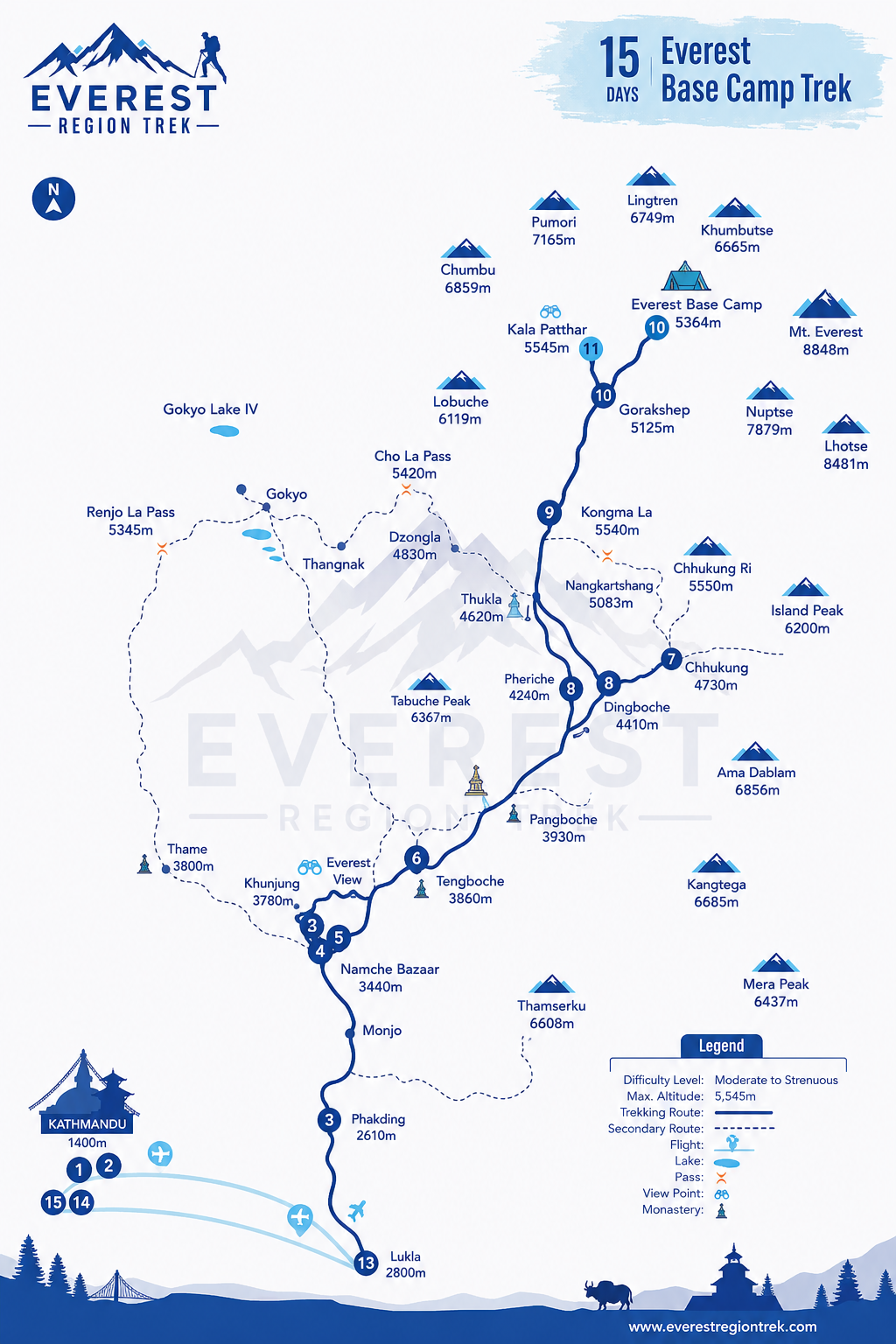
The route follows the classic Everest Base Camp trail, beginning with a scenic flight to Lukla and continuing through the Dudh Koshi Valley toward the high-altitude landscapes of the Everest region. The journey includes important highlights such as the vibrant Namche Bazaar, the spiritual Tengboche Monastery, the panoramic viewpoints of Kala Patthar, and the final destination at Everest Base Camp.
The winter Everest Base Camp adventure is ideal for trekkers who want to experience the Himalayas in their purest form, away from busy trails and surrounded by dramatic snowy scenery. It combines natural beauty, cultural discovery, and a sense of adventure, making it one of the most memorable trekking experiences in Nepal.
Unique Snowy Himalayan Experience
The Everest Base Camp Trek in winter provides a completely different perspective of the Himalayas, transforming the famous Khumbu region into a peaceful snow-covered paradise.
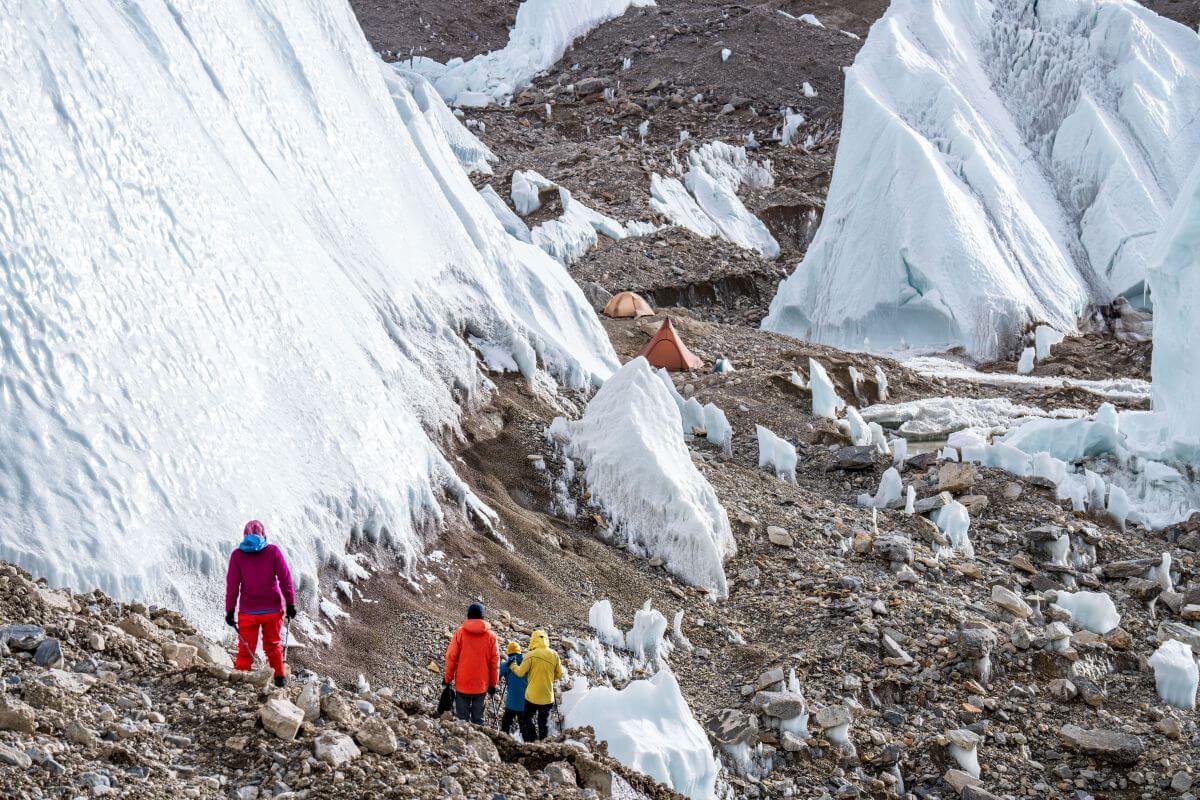
The trail passes through frozen landscapes, white mountain valleys, and spectacular viewpoints surrounded by some of the highest peaks on Earth. The fresh winter air, clear skies, and snow-dusted villages create a magical atmosphere that cannot be experienced in other seasons.
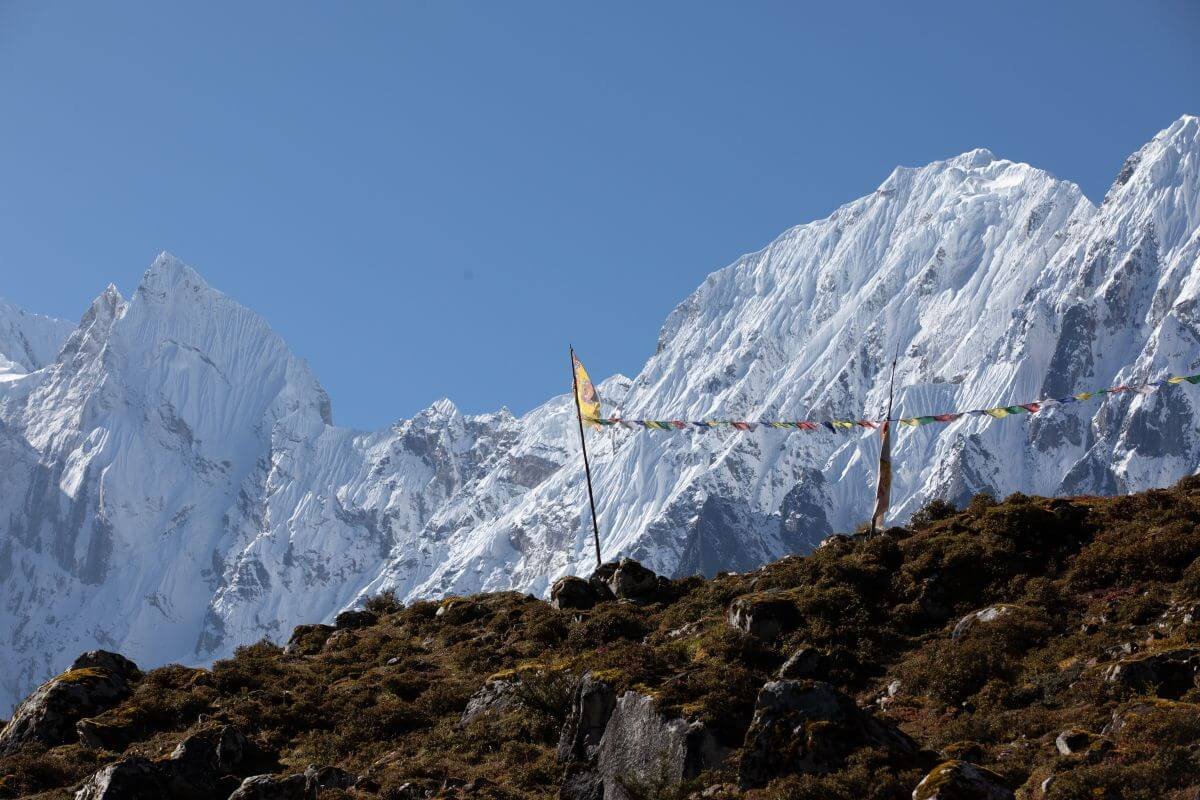
During the winter journey, trekkers can witness the dramatic beauty of Mount Everest, Ama Dablam, Lhotse, Nuptse, and other Himalayan peaks standing against deep blue skies. The combination of snow, silence, and untouched landscapes makes this trek a truly unique Himalayan experience.
Adventure Beyond the Ordinary
The winter Everest Base Camp journey is designed for trekkers who want something beyond a regular Himalayan adventure. The colder conditions, quieter trails, and challenging high-altitude environment create a rewarding experience filled with excitement and discovery.
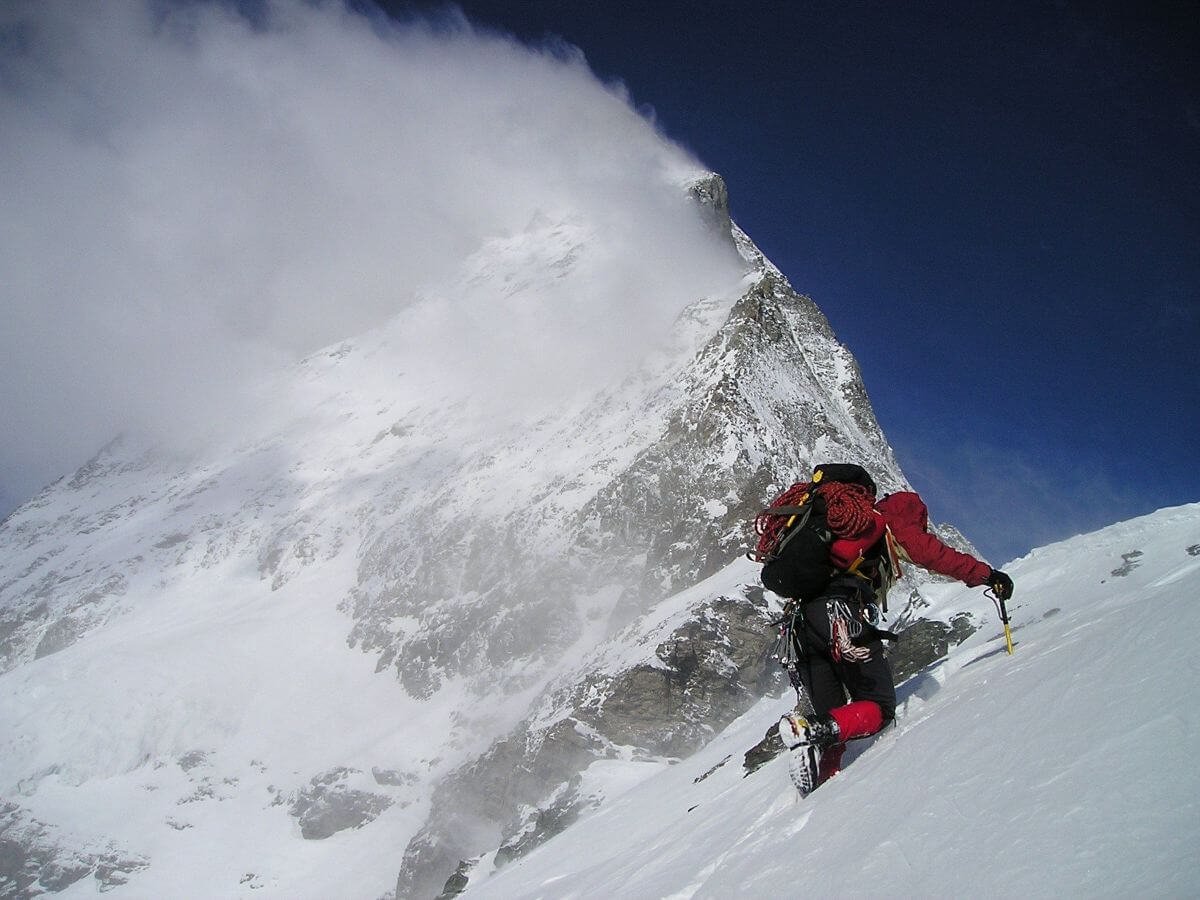
Walking through the remote mountain landscapes during winter allows you to experience the Everest region in a more raw and authentic way. Every step toward Everest Base Camp becomes a memorable achievement as you overcome the challenges of cold temperatures, high elevation, and changing mountain conditions.
Why Choose the Everest Base Camp Trek in Winter?
Choosing the Everest Base Camp Trek in winter means experiencing the Himalayas with fewer crowds, incredible visibility, and a peaceful trekking environment. Winter is one of the best seasons for those who prefer a more private and authentic adventure.
The season offers excellent mountain photography opportunities, comfortable walking conditions during the day, and a chance to explore Sherpa villages without the busy atmosphere found during peak trekking months. The quieter trails also allow deeper cultural experiences and more personal moments in the Everest region.
Is Everest Base Camp Trek Possible in Winter?
Yes, the Everest Base Camp Trek is possible during winter with proper preparation, suitable equipment, and experienced guidance. Although winter brings colder temperatures and possible snowfall, the classic trekking route remains open throughout December, January, and February.
Many experienced trekkers complete this journey during the winter season because the trails are less crowded and the mountain views are often clearer. Proper acclimatization, warm clothing, and a well-planned itinerary are essential for a safe and enjoyable trek.
Best Time for Everest Base Camp Trek in Winter
The best time for a winter Everest Base Camp Trek is from late November to early February when the weather is generally stable and the skies remain clear. December offers beautiful snowy scenery with slightly warmer conditions compared to January.
January is usually the coldest month, offering the clearest mountain views but requiring better preparation for freezing temperatures. February marks the transition toward spring and provides improving weather conditions with fewer trekkers compared to the peak seasons.
Everest Base Camp Trek Winter Weather and Temperature
Winter weather in the Everest region varies depending on altitude. Lower areas like Lukla and Namche Bazaar experience cold mornings and evenings, while higher areas such as Dingboche, Lobuche, Gorak Shep, and Everest Base Camp experience freezing temperatures.
During the day, temperatures can range from around -5°C to 10°C depending on elevation and sunlight. At night, temperatures at higher elevations can drop below -15°C or lower. Clear skies and dry conditions are common, making winter one of the best seasons for mountain visibility.
What Makes Winter the Best Season for Everest Base Camp Trek?
Winter is considered an excellent season for trekkers who want peaceful trails, stunning mountain views, and a more authentic experience. Unlike the busy spring and autumn seasons, winter allows you to enjoy the Everest region with fewer trekkers.
The dry climate, stable weather patterns, and clear Himalayan views make winter ideal for photography and sightseeing. The peaceful environment also creates stronger connections with local Sherpa communities and the natural beauty of the region.
Everest Base Camp Trek in Winter: Route, Difficulty, and Experience
The winter Everest Base Camp route follows the classic trail from Lukla through Phakding, Namche Bazaar, Tengboche, Dingboche, Lobuche, Gorak Shep, and finally Everest Base Camp. Trekkers also visit Kala Patthar, one of the best viewpoints for panoramic Everest sunrise views.
The trek is considered challenging because of high altitude, long walking days, and cold weather conditions. However, with gradual acclimatization, physical preparation, and proper guidance, most healthy trekkers with good fitness levels can complete the adventure.
Everest Base Camp Trek Winter Itinerary
A typical winter Everest Base Camp itinerary takes around 12 to 16 days, allowing enough time for acclimatization and safe altitude adjustment. The journey begins with a scenic flight to Lukla and continues through traditional Sherpa settlements toward the base of Mount Everest.
The itinerary includes rest days in important locations such as Namche Bazaar and Dingboche, helping trekkers adapt to increasing altitude. The final section involves reaching Everest Base Camp and climbing Kala Patthar for breathtaking views before returning back through the same Himalayan trail.
Everest Base Camp Trek in December, January, and February
December offers a beautiful winter atmosphere with fresh snowfall, clear skies, and relatively comfortable trekking conditions. It is a great choice for travelers who want snowy landscapes without the harshest cold.
January is the coldest period of the year, offering exceptional mountain visibility and peaceful trails. Trekkers need high-quality winter equipment and proper preparation during this month.
February provides a balance between winter scenery and improving weather conditions. The days gradually become warmer, making it a good option for those seeking fewer crowds with slightly easier trekking conditions.
How Difficult Is the Everest Base Camp Trek in Winter?
The Everest Base Camp Trek in winter is considered a challenging high-altitude adventure. The difficulty comes from several factors, including walking above 5,000 meters, cold temperatures, thinner air, and possible snow conditions.
The trek does not require technical climbing skills, but trekkers should have good physical fitness, endurance, and preparation. Regular walking, cardiovascular training, and strength exercises before the trek can significantly improve the experience.
What to Expect During Everest Base Camp Trek in Winter?
During the winter trek, expect peaceful trails, spectacular mountain views, cold mornings, and a true Himalayan atmosphere. The route offers opportunities to explore Sherpa villages, visit Buddhist monasteries, and experience traditional mountain lifestyles.
Trekkers should prepare for shorter daylight hours, colder nights, and changing weather conditions. Despite the challenges, the reward is an unforgettable journey through one of the most beautiful regions on Earth.
Everest Base Camp Trek Winter Packing List
For a winter Everest Base Camp Trek, trekkers need proper cold-weather clothing and essential trekking equipment. Warm layers, thermal base clothing, insulated jackets, gloves, trekking boots, wool socks, sunglasses, and a quality sleeping bag are necessary for comfort and safety.
Other important items include trekking poles, water bottles, personal medication, sunscreen, headlamps, and a backpack suitable for high-altitude trekking. Packing correctly helps protect against cold temperatures and improves the overall trekking experience.
Accommodation and Food During Everest Base Camp Trek in Winter
Accommodation during the winter Everest Base Camp Trek is provided in traditional tea houses located along the trekking route. Since there are fewer trekkers during winter, tea houses are usually quieter and provide a more relaxed environment.
Rooms are generally basic but comfortable, offering beds, blankets, and shared facilities. Meals include traditional Nepali dishes, Tibetan-inspired foods, and common trekking meals such as dal bhat, noodles, soups, rice, and pasta. Staying warm and maintaining proper nutrition is important during the cold season.
Everest Base Camp Trek Winter Cost and Package Details
The cost of the Everest Base Camp Trek in winter depends on factors such as trek duration, services included, accommodation standards, transportation, permits, and guide services. Winter packages often provide excellent value because of lower crowd levels and flexible arrangements.
A complete package generally includes airport transfers, Lukla flights, trekking permits, experienced guides, porters, accommodation during the trek, and meals according to the package plan. Additional expenses may include personal equipment, travel insurance, tips, and extra beverages.
Safety Tips for Everest Base Camp Trek in Winter
Safety is the most important part of a winter Everest Base Camp adventure. Trekkers should follow proper acclimatization schedules, stay hydrated, maintain a steady walking pace, and avoid rushing to higher elevations.
Carrying suitable winter gear, checking weather conditions, and trekking with an experienced guide improves safety. It is also important to recognize symptoms of altitude sickness and take immediate action if any health concerns appear.
Who Can Do the Everest Base Camp Trek in Winter?
The winter Everest Base Camp Trek is suitable for adventure-loving travelers who have good physical fitness and a strong mindset. Previous high-altitude trekking experience is helpful but not mandatory if trekkers prepare properly.
People who enjoy peaceful environments, challenging adventures, photography, and Himalayan culture will find this trek especially rewarding. Proper training and preparation are the key requirements for completing this journey successfully.
Why Winter Everest Base Camp Trek Is a Unique Himalayan Adventure with Everest Region Trek Pvt. Ltd.?
Everest Region Trek Pvt. Ltd. provides a well-organized winter Everest Base Camp experience designed for safety, comfort, and unforgettable memories. With experienced local guides, carefully planned itineraries, and personalized trekking support, the company helps travelers explore the Everest region confidently during the colder months.
The team focuses on responsible trekking practices, proper acclimatization, quality service, and authentic cultural experiences. From arranging permits and transportation to guiding you through the Himalayan trails, Everest Region Trek Pvt. Ltd. ensures that your winter journey to Everest Base Camp becomes a safe, comfortable, and remarkable adventure.
Highlights of Everest Trekking in Winter
- Experience the peaceful Everest region with fewer trekkers and a more authentic Himalayan atmosphere.
- Enjoy crystal-clear winter views of Mount Everest, Lhotse, Nuptse, Ama Dablam, and other Himalayan peaks.
- Trek through stunning snow-covered landscapes, frozen rivers, and beautiful mountain valleys.
- Explore traditional Sherpa villages including Namche Bazaar, Tengboche, Dingboche, and Gorak Shep.
- Visit the famous Tengboche Monastery surrounded by breathtaking Himalayan scenery.
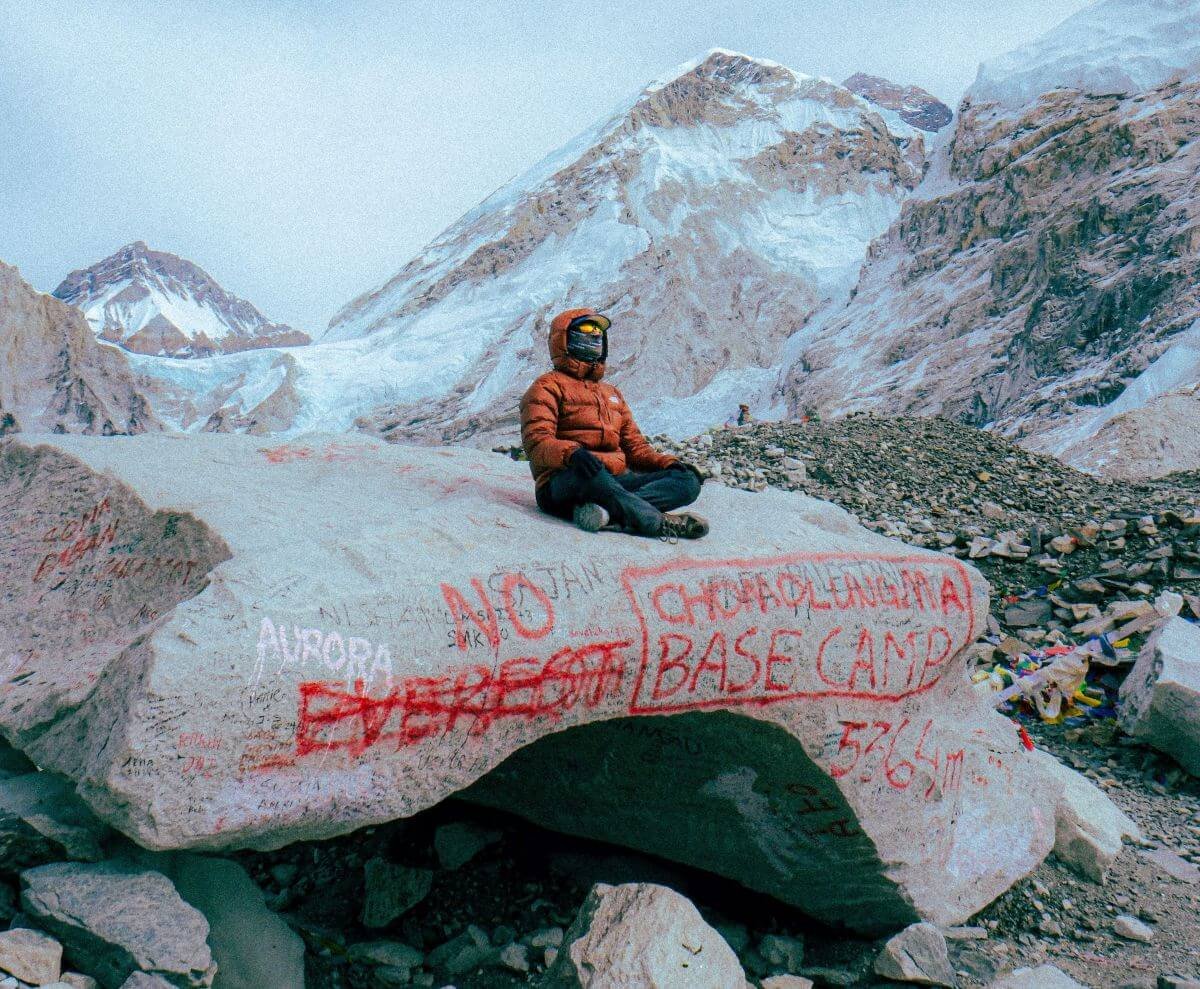
- Reach the iconic Everest Base Camp at an elevation of 5,364 meters.
- Witness unforgettable sunrise views over Mount Everest from Kala Patthar (5,545 m).