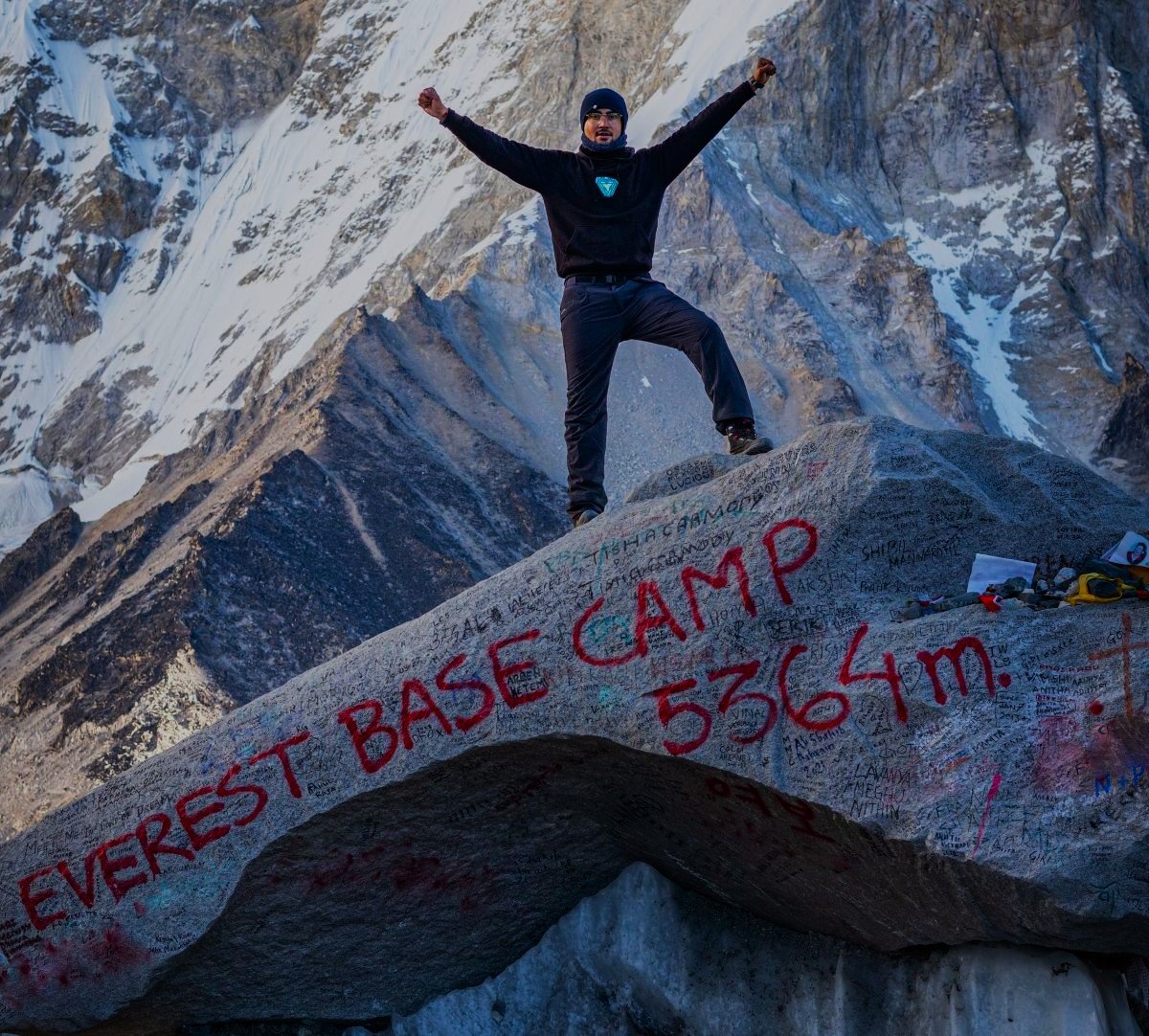
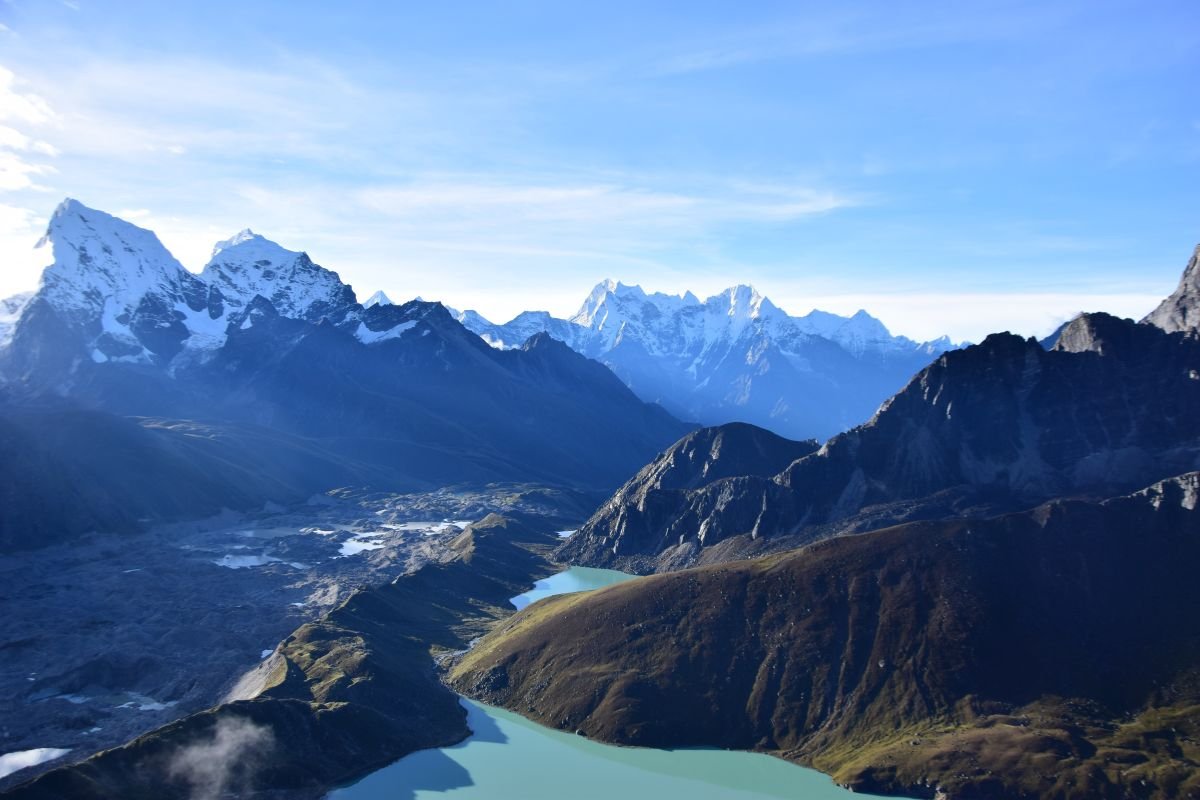
The 14 Days Everest Base Camp Trek is an unforgettable Himalayan adventure that takes you through the stunning Khumbu region, charming Sherpa villages, ancient monasteries, and breathtaking mountain landscapes. Walk beneath the world’s highest peaks, witness the beauty of Everest, Lhotse, Ama Dablam, and the Khumbu Glacier, and finally stand at the legendary Everest Base Camp (5,364 m). With proper acclimatization, scenic trails, and the iconic Kala Patthar sunrise view, this trek offers the perfect blend of adventure, culture, and lifetime memories in the heart of the Himalayas.
Trip Info
-
3 Stars Hotels
-
5,416 metres
-
Kathmandu
-
Feb, Mar, Apr & May
-
Eco-Tour, Hiking
-
All meals during the trek
-
Easy to Moderate
-
1-15
Overview
The Everest Base Camp Trek is Nepal’s most iconic Himalayan adventure, taking trekkers deep into the heart of the Khumbu region to the base of the world’s highest mountain, Mount Everest (8,848.86 m).
More than just a journey to Everest Base Camp, the trail offers an unforgettable experience of towering snow-capped peaks, ancient Sherpa villages, colourful Buddhist monasteries, glacial valleys, and some of the most spectacular mountain scenery on Earth.
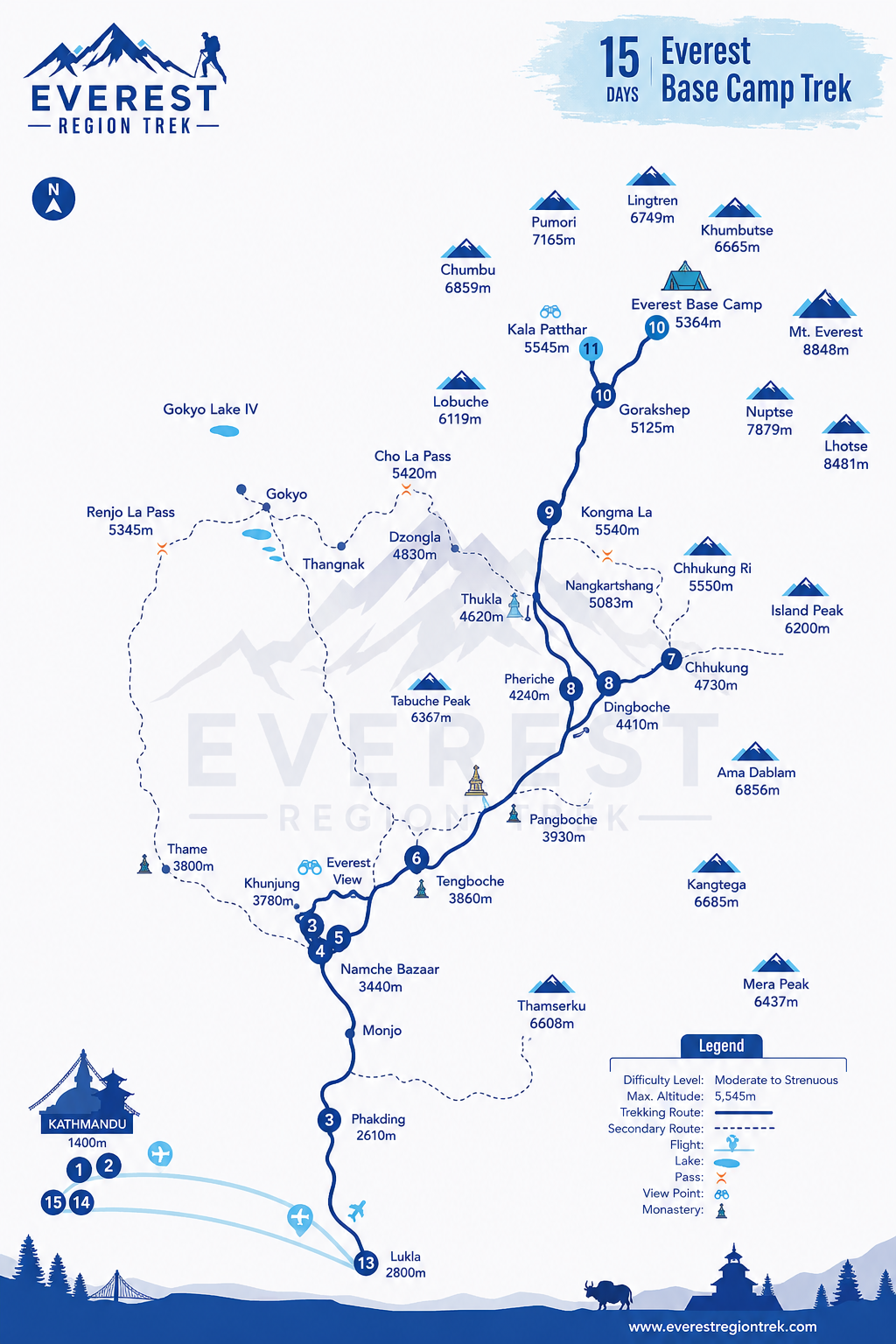
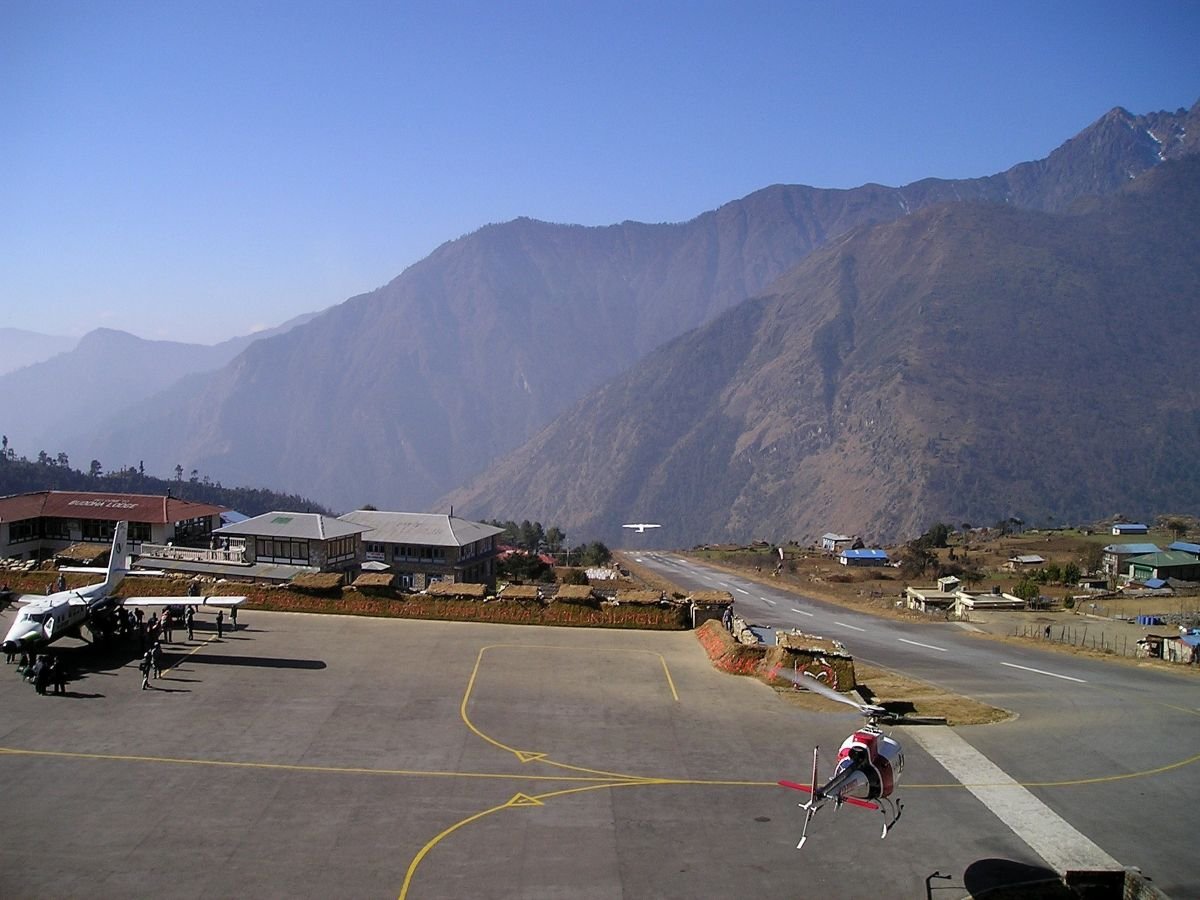
Starting with a thrilling mountain flight to Lukla, the route follows the Dudh Koshi River through traditional settlements such as Phakding, Namche Bazaar, Tengboche, Dingboche, Lobuche, and Gorakshep before reaching Everest Base Camp (5,364 m).
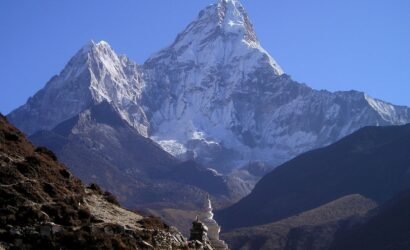
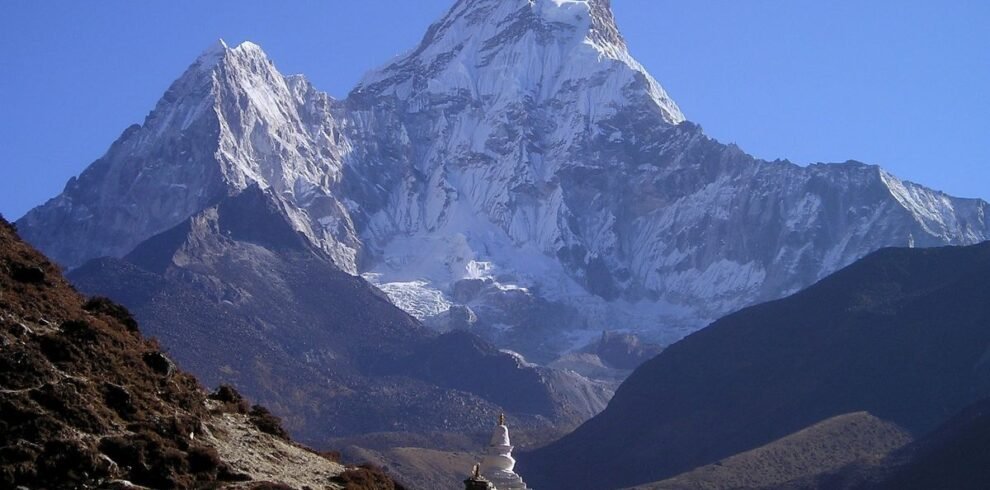
Along the way, trekkers are rewarded with breathtaking views of Everest, Lhotse, Nuptse, Ama Dablam, Thamserku, Pumori, Kangtega, and many other Himalayan giants.
Unlike technical mountaineering expeditions, the EBC Trek is a non-technical high-altitude trekking adventure suitable for anyone with a good level of fitness, proper acclimatization, and determination.
The trail combines moderate trekking days with carefully planned acclimatization stops, allowing your body to adapt safely to increasing elevations while giving you time to explore the unique Sherpa culture and mountain lifestyle.
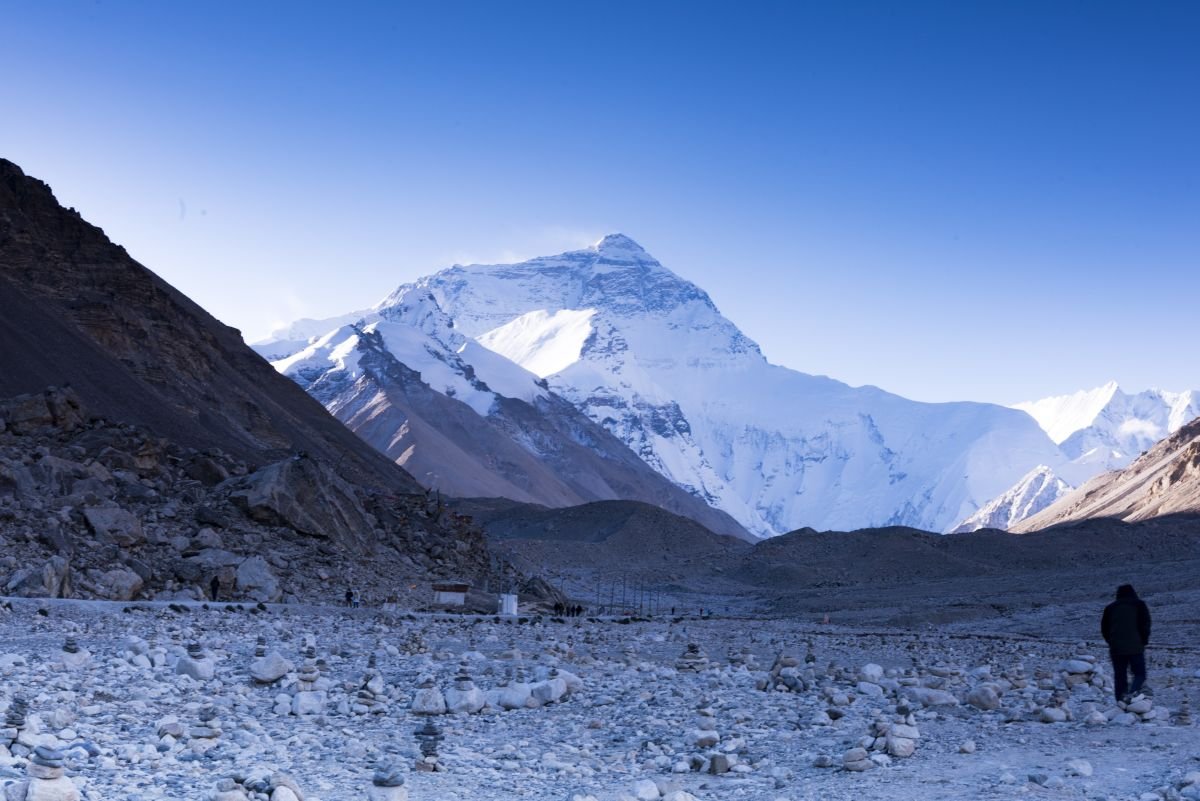
One of the trek’s most memorable highlights is the early morning hike to Kala Patthar (5,545 m), the highest viewpoint on the standard Everest Base Camp itinerary. From here, trekkers witness the closest panoramic view of Mount Everest, especially during sunrise when golden light illuminates the surrounding Himalayan peaks.
The trek is also a cultural journey. Passing through Sagarmatha National Park, a UNESCO World Heritage Site, you’ll encounter prayer wheels, mani walls, fluttering prayer flags, centuries-old monasteries, suspension bridges draped with colourful flags, and welcoming Sherpa communities whose traditions have shaped life in the Himalayas for generations.
The region is rich in wildlife as well, with opportunities to spot Himalayan tahr, musk deer, Himalayan monals, and, if you’re fortunate, the elusive snow leopard.
Most Everest Base Camp itineraries take 14 days, covering approximately 130 km (80 miles) round trip from Lukla. Spring (March to May) and autumn (September to November) are widely considered the best seasons, offering stable weather, crystal-clear mountain views, and comfortable trekking conditions. Winter and monsoon departures are also possible for experienced trekkers seeking quieter trails.
Whether your goal is to stand beneath the world’s tallest mountain, photograph the majestic Everest panorama, experience authentic Sherpa hospitality, or challenge yourself with one of the world’s greatest trekking routes, the Everest Base Camp Trek delivers a once-in-a-lifetime Himalayan experience that combines adventure, culture, and natural beauty in equal measure.
It remains one of the most sought-after trekking holidays in Nepal and a dream destination for hikers, photographers, nature lovers, and adventure enthusiasts from around the globe.
A Bucket-List Adventure for Every Trekker
The Everest Base Camp Trek is considered a bucket-list adventure because it takes you to the foothills of the world’s highest mountain while offering a perfect blend of adventure, natural beauty, and cultural discovery.
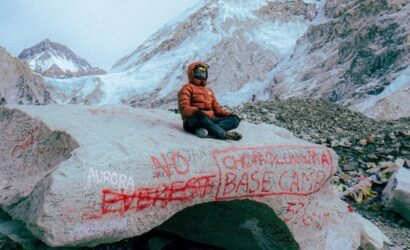
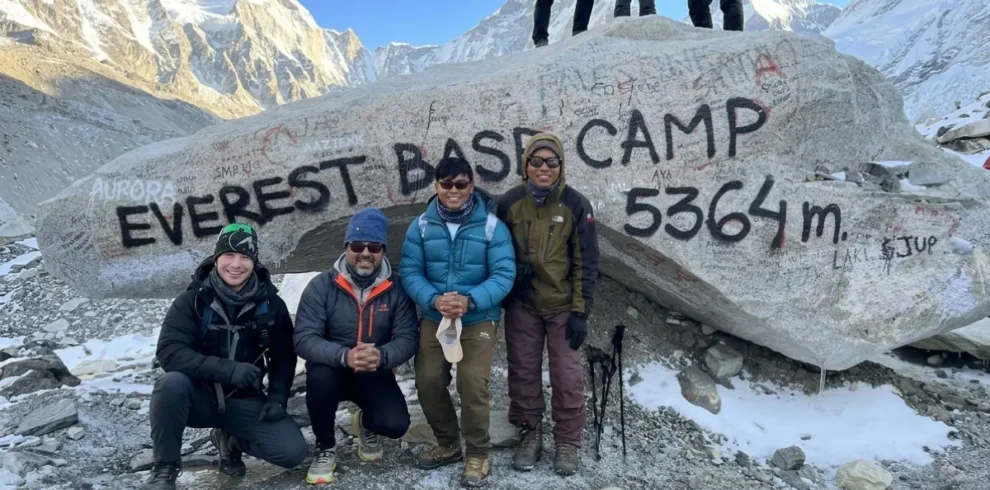
Standing at Everest Base Camp (5,364 m), surrounded by some of the tallest peaks on the planet, is a dream achievement for trekkers from every corner of the world.
This legendary Himalayan journey is not only about reaching the base of Mount Everest but also about experiencing the incredible landscapes and traditions of the Khumbu region. The trail passes through traditional Sherpa villages, ancient monasteries, high-altitude valleys, and dramatic mountain landscapes that make every day of the trek memorable.
With proper preparation, gradual acclimatization, and a steady pace, the Everest Base Camp Trek is achievable for many adventure seekers. Whether you are an experienced hiker or someone taking on your first major Himalayan trek, the sense of achievement after completing this iconic journey makes it one of the most rewarding trekking experiences in Nepal.
Capture Some of the World’s Most Photogenic Landscapes
The Everest Base Camp Trek offers some of the most breathtaking and photogenic landscapes found anywhere in the world. From the moment you enter the Sagarmatha National Park, the scenery transforms into a spectacular Himalayan panorama filled with towering peaks, deep valleys, glaciers, and traditional mountain settlements.
Trekkers can capture unforgettable views of legendary mountains including Mount Everest, Ama Dablam, Lhotse, Nuptse, Thamserku, and Pumori. The sunrise from Kala Patthar (5,545 m) is one of the most iconic photography moments on the trek, providing a close-up view of Everest glowing under the first rays of sunlight.
Beyond the mountains, the route offers countless opportunities for unique photographs colourful prayer flags fluttering across suspension bridges, Buddhist monasteries surrounded by snow-covered peaks, stone-built Sherpa villages, yak caravans moving through mountain trails, and dramatic glacier landscapes.
Every section of the Everest Base Camp trail presents a new perspective, making it a paradise for photographers, nature lovers, and anyone looking to capture the true beauty of the Himalayas.
How Much Does It Cost to Trek to Everest Base Camp?
The Everest Base Camp Trek cost depends on the trekking package, number of days, season, group size, and the level of service you choose. On average, a standard Everest Base Camp Trek package costs around USD 1,300 to USD 2,500 per person, including essential trekking services such as a licensed guide, porter, accommodation, meals during the trek, trekking permits, and domestic flights between Kathmandu and Lukla.
The total cost can vary depending on whether you choose a budget trekking package, a private trek, or a more comfortable luxury Everest Base Camp experience.
Peak trekking seasons like spring and autumn usually have higher demand, while off-season trekking can sometimes be arranged at a lower price. Additional personal expenses such as travel insurance, trekking equipment, charging, Wi-Fi, snacks, beverages, and tips are generally not included in the package price.
For most trekkers, the Everest Base Camp Trek offers excellent value because it combines a once-in-a-lifetime Himalayan adventure with professional support, cultural experiences, and access to one of the world’s most iconic mountain destinations.
Everest Base Camp Trek Itinerary
The classic Everest Base Camp Trek itinerary usually takes around 12 to 14 days, allowing enough time for gradual altitude gain and proper acclimatization. The journey begins with a scenic flight from Kathmandu to Lukla and follows the legendary trail through the heart of the Khumbu region.
The trekking route passes through beautiful Sherpa villages including Phakding, Namche Bazaar, Tengboche, Dingboche, Lobuche, and Gorakshep before reaching Everest Base Camp at 5,364 metres. Along the way, trekkers experience dramatic Himalayan landscapes, ancient monasteries, suspension bridges, glaciers, and breathtaking views of Everest and surrounding peaks.
The itinerary is carefully designed with acclimatization days in Namche Bazaar and Dingboche to help trekkers adjust to the increasing altitude. After reaching Everest Base Camp, most trekkers also hike to Kala Patthar (5,545 metres), the famous viewpoint that offers the closest and most spectacular sunrise view of Mount Everest.
Everest Base Camp Trek Route: From Lukla to the Foot of Mount Everest
The Everest Base Camp Trek route follows one of the world’s most famous trekking trails through the Sagarmatha National Park and the traditional homeland of the Sherpa people. Starting from Lukla, the trail gradually climbs through lush forests, river valleys, and mountain settlements before entering the high-altitude Himalayan landscape.
The route passes through important trekking destinations such as Namche Bazaar, the cultural and commercial hub of the Everest region, Tengboche with its historic monastery, and Dingboche, a popular acclimatization stop surrounded by stunning Himalayan peaks.
As the trail moves higher toward Everest Base Camp, the landscape becomes more rugged, with glaciers, rocky valleys, and towering mountains dominating the scenery. The final approach through Gorakshep and the Khumbu Glacier creates an unforgettable experience before arriving at the base of the world’s highest mountain.
Best Time for Everest Base Camp Trek
The best time for the Everest Base Camp Trek is during the spring season from March to May and the autumn season from September to November. These months offer the most stable weather conditions, clear mountain views, and comfortable trekking temperatures.
Spring is popular among trekkers because of warmer weather, blooming rhododendron forests, and the excitement of Everest expedition season. Autumn is considered another ideal period because the skies are usually clear after the monsoon, providing exceptional views of Everest, Lhotse, Ama Dablam, and other Himalayan peaks.
Winter trekking is possible for experienced trekkers who prefer quieter trails and a more peaceful mountain experience, while the monsoon season brings rainfall and cloudier conditions, making mountain visibility less predictable.
Is Everest Base Camp Trek Hard?
The Everest Base Camp Trek difficulty is considered moderate to challenging because of the high altitude, long walking days, and changing mountain conditions. Although the trek does not require technical climbing skills, reaching Everest Base Camp requires good physical fitness, mental preparation, and proper acclimatization.
Trekkers usually walk between five to eight hours per day while gradually gaining elevation. The biggest challenge is not the distance but the altitude, as oxygen levels become lower above 3,000 metres. Following a well-planned itinerary, maintaining a steady pace, staying hydrated, and allowing enough acclimatization time are important factors for a successful trek.
With proper preparation, beginners with good fitness levels can also complete the Everest Base Camp Trek and experience one of the world’s greatest Himalayan adventures.
Accommodation and Food During the Everest Base Camp Trek
Accommodation during the Everest Base Camp Trek is provided in traditional Himalayan teahouses and mountain lodges located along the trekking route. These family-run lodges offer simple but comfortable rooms where trekkers can rest after a long day of walking while experiencing authentic Sherpa hospitality.
Food on the trail includes a variety of Nepali and international dishes. Traditional meals such as dal bhat, noodles, soups, rice, vegetables, and momos are commonly available, along with options like pasta, pancakes, eggs, and bread. As the altitude increases, meal choices become more limited, but teahouses provide enough food to support trekkers throughout the journey.
Everest Base Camp Trek Permits and Required Documents
Trekkers need official permits to enter and complete the Everest Base Camp Trek. The required permits include the Sagarmatha National Park Entry Permit and the Khumbu Pasang Lhamu Rural Municipality Permit.
These permits support conservation efforts in the Everest region and help manage trekking activities within one of Nepal’s most protected Himalayan areas. Most trekking agencies arrange all required permits as part of the trekking package, making the preparation process easier for international travellers.
What Makes Everest Base Camp Trek a Once-in-a-Lifetime Experience?
The Everest Base Camp Trek is more than a mountain journey; it is an experience that combines adventure, culture, and some of the most spectacular landscapes on Earth. Walking beneath towering Himalayan peaks, visiting ancient Buddhist monasteries, meeting Sherpa communities, and finally standing at the base of Mount Everest creates memories that last a lifetime.
From the colourful prayer flags of mountain villages to the dramatic views of Everest, Lhotse, Nuptse, and Ama Dablam, every stage of the trek offers something unique. This combination of natural beauty, cultural heritage, and personal achievement makes Everest Base Camp one of the most famous trekking destinations in the world.
Everest Base Camp Trek Highlights
- Reach Everest Base Camp (5,364 m) at the foot of the world’s highest mountain.
- Enjoy the thrilling Lukla mountain flight with stunning Himalayan views.
- Witness the unforgettable Kala Patthar sunrise over Mount Everest.
- Explore the vibrant Sherpa town of Namche Bazaar.
- Visit the famous Tengboche Monastery surrounded by mountains.
- Trek through the beautiful Sagarmatha National Park.
- Experience authentic Sherpa culture and mountain lifestyle.
- Walk through the dramatic Khumbu Glacier and Himalayan valleys.
- Create lifetime memories on one of the world’s most iconic treks.