Trip Info
-
Private Vehicle
-
1 to 20
-
5545 M
-
Kathmandu
-
Sept - Nov & March - May
-
Guided
-
B, L, & D
Overview
The Everest Base Camp Trek for Young Adults is an exciting Himalayan adventure for travellers who want more than just a sightseeing holiday. If you enjoy adventure, mountain scenery, meeting new people, photography, and active travel, this 14-day journey takes you deep into the heart of the Khumbu region and brings you face-to-face with Mount Everest.
From the moment you fly into Lukla, the experience feels different. You’ll walk through colorful Sherpa villages, cross suspension bridges, spend evenings in traditional teahouses, and share the trail with trekkers from around the world.
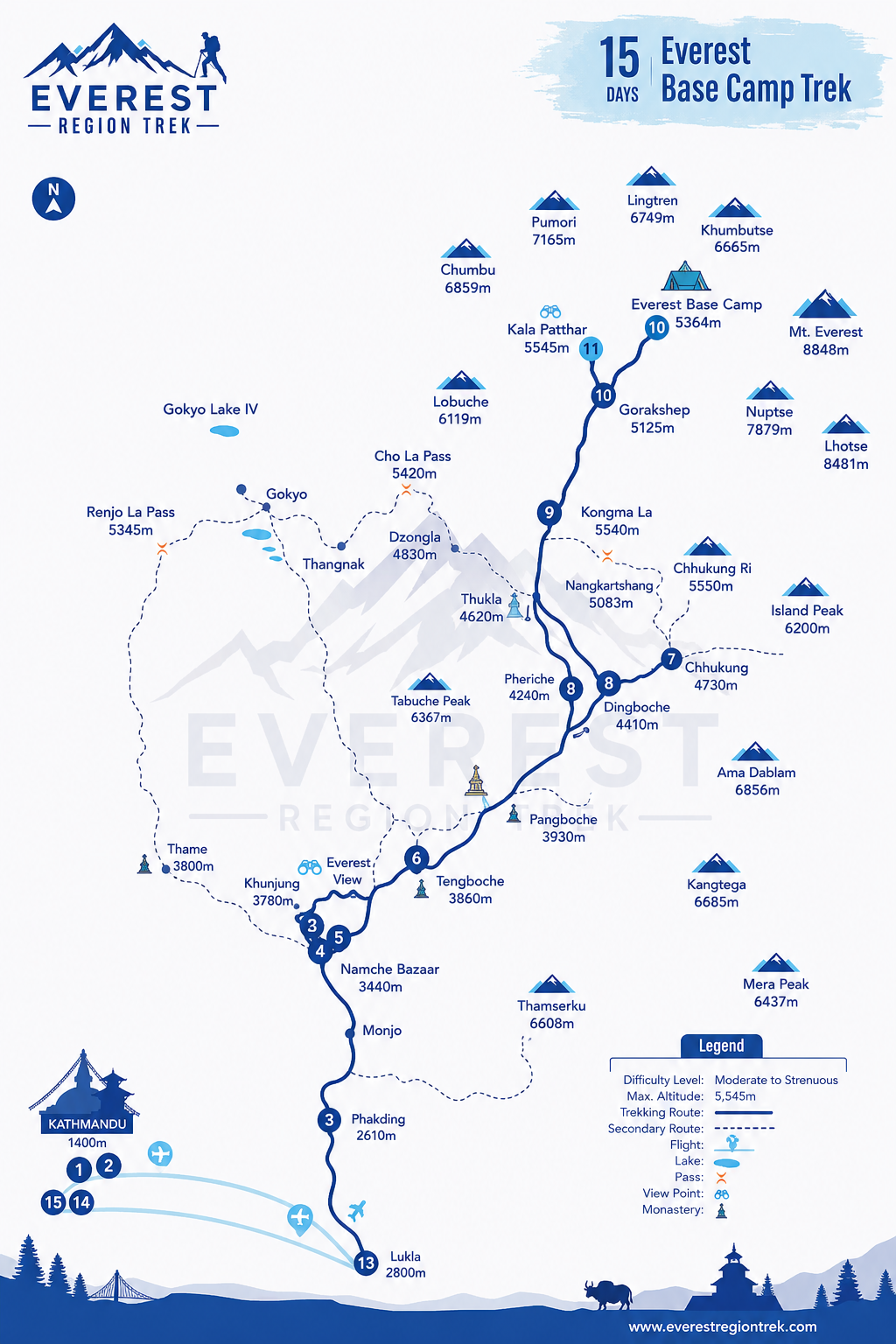
As you move higher through Namche Bazaar, Tengboche, Dingboche, Lobuche, and Gorak Shep, the landscape gradually changes from green mountain valleys to rugged alpine terrain surrounded by towering Himalayan peaks.
This trek is also a great opportunity to travel with friends, join a small group, or meet fellow adventure seekers along the way. You’ll have plenty of moments to capture on camera, from dramatic mountain views and Buddhist monasteries to sunrise over Everest from Kala Patthar.
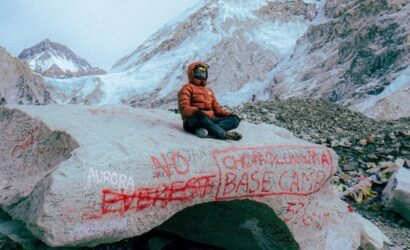
Reaching Everest Base Camp is the highlight, but the journey itself is what makes this Himalayan adventure unforgettable. Whether you’re traveling solo, with friends, or as part of a group, you’ll experience Sherpa culture, high-altitude trekking, incredible landscapes, and the unique atmosphere of the world’s most famous trekking region.
If you’re an active traveller looking for a challenging yet rewarding escape, the Everest Base Camp Trek for Young Adults offers the perfect combination of adventure, friendship, exploration, and Himalayan scenery.
Why Is Everest Base Camp a Great Adventure for Young Travelers?
If you’re looking for a holiday that gives you stories to tell rather than just places to photograph, the Everest Base Camp journey is a fantastic choice. You spend two weeks walking through the Himalayas, staying in mountain villages, meeting people from around the world and gradually making your way toward the base of Mount Everest.
The experience suits travelers who enjoy being active and trying something outside their usual routine. One day you might be crossing a suspension bridge above a mountain river, while another takes you through Namche Bazaar or past Buddhist monasteries surrounded by enormous peaks. By the time you reach Base Camp, you’ve experienced far more than a single destination.
It is also a great opportunity to travel socially. You can come with friends, join a group, meet fellow trekkers on the trail and share evenings in teahouses. For adventure seekers who want mountains, culture, photography, physical challenge and new connections in one trip, this is a hard experience to beat.
Who Can Join This Everest Base Camp Adventure?
This package is designed primarily for young travelers, active adults, friends, solo adventurers and anyone who enjoys an energetic outdoor holiday. You don’t need to be an experienced mountaineer or have completed a Himalayan trek before.
What you do need is a reasonable level of fitness and the willingness to walk for several hours on multiple days. The trail includes uphill climbs, downhill sections, stone steps and uneven terrain, so being comfortable with long walks will make the journey much more enjoyable.
If you are traveling with friends, you can experience the entire adventure together. If you’re coming alone, you can join the group and meet other travelers along the way.
What Makes This Trek Different for Active Travelers?
This isn’t the type of holiday where you spend most of your time sitting in a vehicle and visiting attractions for a few minutes. Your own feet take you into the heart of the Himalayas.
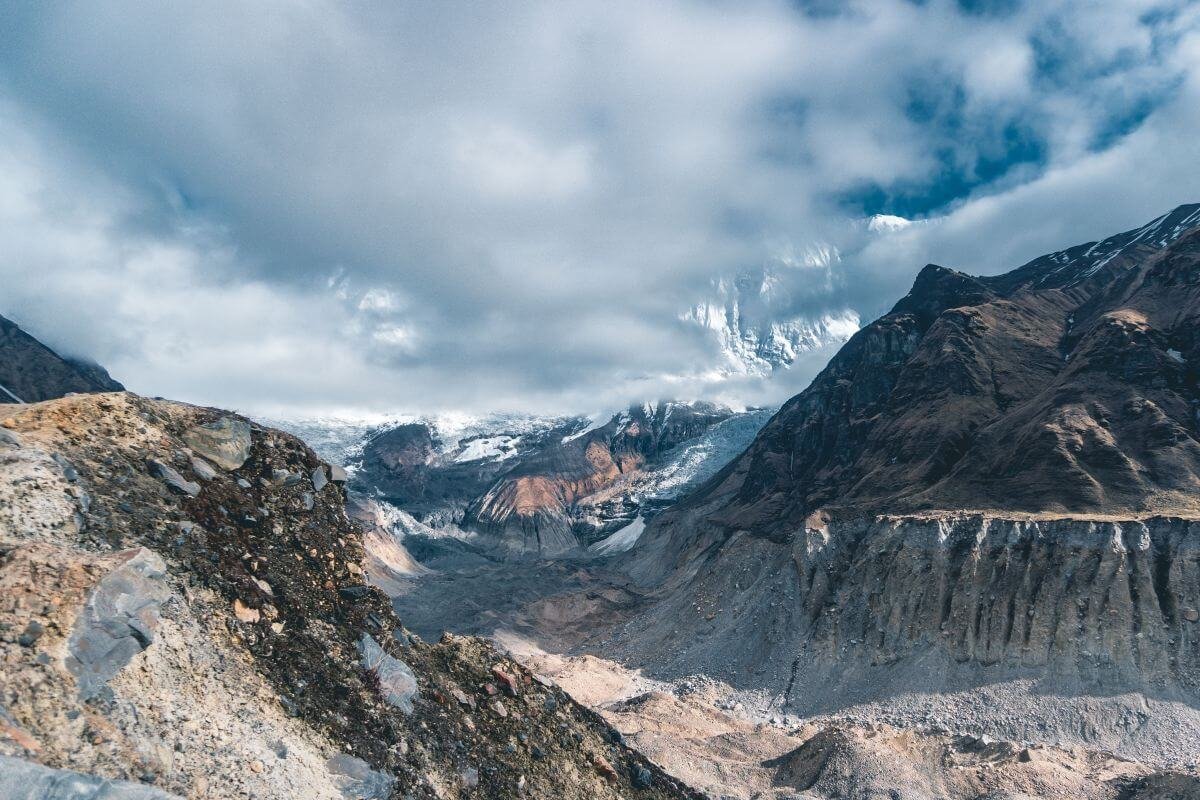
Each day brings a different part of the landscape. You begin among greener valleys and rivers before gradually entering the rugged mountain environment around the Khumbu. As you gain elevation, the forests become thinner, the temperatures drop and the huge Himalayan peaks begin to dominate the horizon.
For active travelers, that’s part of the attraction. You’re constantly moving, exploring and experiencing something new. There is also a real sense of progression because you can physically see how far you’ve traveled from Lukla toward Everest Base Camp.
Can You Trek to Everest Base Camp with Friends or as a Group?
Absolutely. Traveling with friends can make the experience even more enjoyable because you have people to laugh with during the easier sections and encourage each other when the trail gets tough.
A group trek also gives you the chance to meet other adventure lovers along the route. You may begin the journey with your own friends but gradually become familiar with other people staying in the same lodges or walking in the same direction.
Just remember that everyone has a different walking pace. The strongest experience isn’t about racing to the next village; it’s about enjoying the trail together while allowing everyone to walk comfortably.
Can Solo Travelers Join the Everest Base Camp Group?
Yes. You don’t have to bring a group of friends to enjoy this adventure.
Joining an organized trek can actually be a great option for someone who wants the freedom of solo travel without spending the entire journey alone. You’ll have a guide and trekking team with you, while the trail itself provides plenty of opportunities to meet other hikers.
Shared dining areas in teahouses are particularly social. After several hours of walking, it’s common for trekkers to sit around the same dining room, talk about their day, compare routes and get to know one another.
So if you’re traveling alone but enjoy meeting people, this type of group adventure can give you a good balance between independence and companionship.
What Is the Age Range for This Everest Base Camp Trek?
This package is aimed at young adults and active travelers, but we don’t believe a specific number should determine whether someone can enjoy the trek.
Your fitness, preparation and attitude matter much more than your exact age. Someone in their early twenties and someone in their thirties may have completely different fitness levels, while two people of the same age may have very different trekking abilities.
If you enjoy outdoor activities, can handle several hours of walking and are prepared for a high-altitude environment, you can be a good fit for this adventure.
How Fit Should You Be for This Himalayan Adventure?
You don’t need to be a marathon runner, but you should be prepared for long walking days at increasing altitude.
Before the trip, build your endurance through activities such as hiking, running, cycling, stair climbing or long walks. If possible, include some uphill walking in your training because the trail involves plenty of elevation gain.
It’s also worth breaking in your trekking shoes before arriving in Nepal. A pair that feels comfortable on a short walk may become uncomfortable after several consecutive days.
Remember that being fit doesn’t make you immune to altitude problems. The body still needs time to adjust as you climb higher, which is why the itinerary includes acclimatization and why you should communicate openly with your guide if you don’t feel well.
How Much Does an Everest Base Camp Adventure Cost?
The price depends on the services included in your particular package, the season, group size and the level of support you choose.
For travelers comparing different packages, don’t look only at the headline price. Check whether your package includes accommodation, meals, domestic flights, permits, guide services, porter support, airport transfers and other trekking logistics.
You should also keep some personal spending money for things such as snacks, drinks, charging, Wi-Fi, showers, souvenirs and tips. Prices can increase at higher elevations because almost everything has to be transported into the mountains.
A little extra budgeting before departure can make the trip much more comfortable.
What Is the Social Experience Like on the Trek?
The social side is one of the most enjoyable parts of the journey.
You’re spending days around people who have chosen the same unusual adventure. You might meet a backpacker traveling alone, a group of friends from Europe, a couple celebrating a special occasion or another first-time Himalayan trekker.
After the day’s hike, the atmosphere changes. Instead of rushing around a city, you’ll often find yourself sitting in a teahouse dining room with other travelers, drinking tea, eating dinner and talking about the day’s experiences.
Those conversations can become some of the best memories of the trip. You may arrive in Nepal knowing nobody and leave with trekking companions you’ve stayed in contact with long after returning home.
What Can You Expect From Life in the Khumbu Valley?
Life in the Khumbu is simple, peaceful and closely connected with the mountains.
As you travel deeper into the region, you’ll encounter Sherpa villages, Buddhist monasteries, prayer wheels, mani walls and colorful prayer flags. The architecture and lifestyle feel very different from what most international travelers are used to.
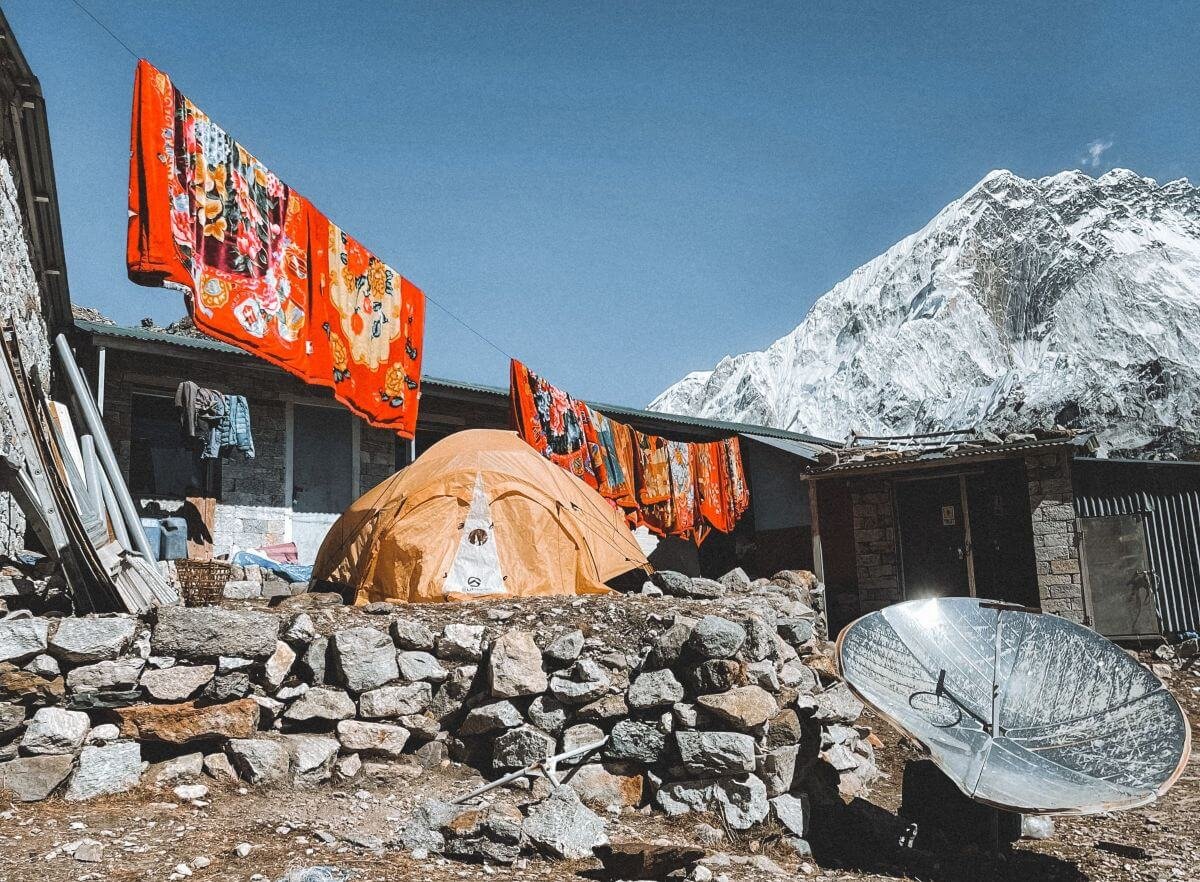
Accommodation is generally in teahouses and mountain lodges, where you can rest after the day’s hike and enjoy meals with fellow travelers. Facilities become more basic as you move higher, but that simplicity is part of the experience.
You’ll also notice the environment changing dramatically. Green valleys and forests gradually give way to rocky landscapes, glaciers and high Himalayan terrain.
Where Will You Meet Other Trekkers Along the Trail?
You’ll encounter other hikers throughout the route, but places such as Namche Bazaar, Tengboche, Dingboche, Lobuche and Gorak Shep are particularly good for meeting fellow adventurers.
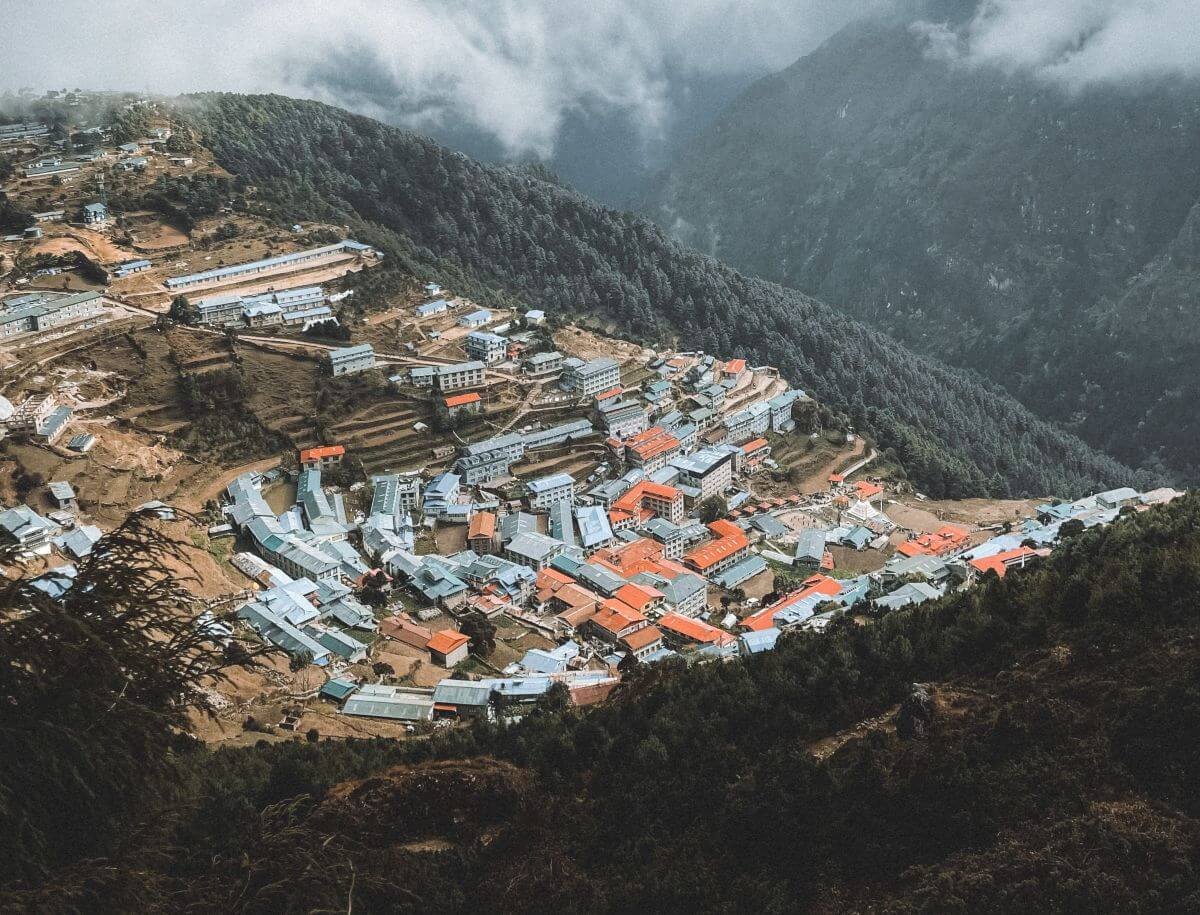
Namche is especially lively because it acts as an important hub for people traveling through the Everest region. You’ll find trekkers taking acclimatization days, visiting shops and cafés, preparing for the next section of the trail and sharing stories.
You can also meet people while actually hiking. Sharing a rest stop, walking in the same direction or taking photographs for one another can easily start a conversation.
What Are the Best Experiences Beyond Reaching Base Camp?
Everest Base Camp is the obvious highlight, but don’t make the mistake of thinking the adventure starts and ends with that one photograph.
The sunrise from Kala Patthar is one of the most memorable moments because you get an incredible perspective toward Everest and the surrounding peaks. Walking through Namche, visiting Tengboche, crossing high suspension bridges and watching the landscape change as you climb are all part of the story.
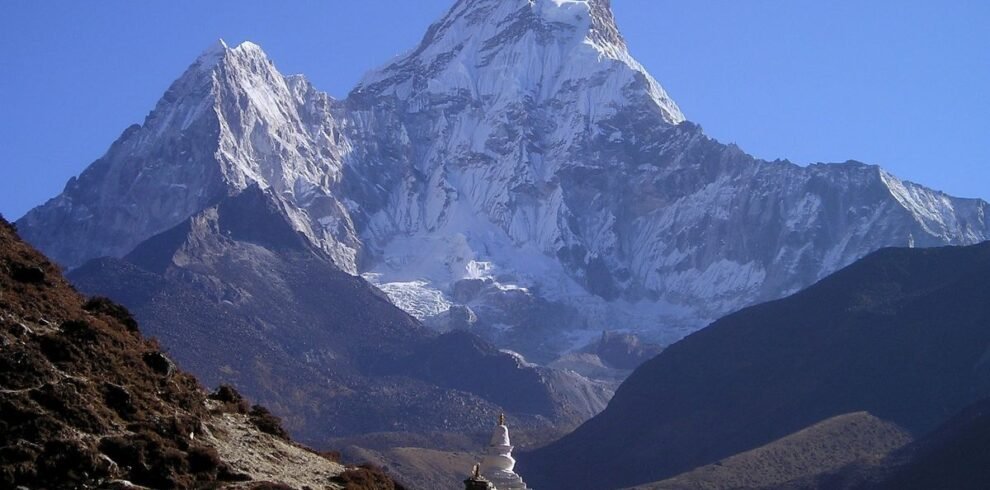
Then there are the smaller experiences that you can’t really plan: sitting outside a teahouse with a mountain view, watching clouds move around Ama Dablam, seeing prayer flags fluttering above the trail or sharing a meal with people you met only a few days earlier.
These moments turn the trek into a complete Himalayan experience rather than simply a mission to reach Base Camp.
Is Everest Base Camp Worth It for Adventure Seekers?
If you want a trip that challenges you physically and rewards you with incredible scenery, culture and a genuine sense of achievement, it can be absolutely worth it.
The biggest attraction isn’t simply saying, “I reached Everest Base Camp.” It’s knowing that you walked there through remote mountain communities, adapted to the altitude, dealt with tired legs and kept moving toward your goal.
You also get to experience the Himalayas at a pace that lets you actually notice them. You’re not just looking at Everest from a distance; you’re walking through the valleys, villages and landscapes surrounding the world’s highest mountain.
For someone who wants an active, social and memorable adventure, that’s what makes the journey special.
What Should You Pack for an Everest Base Camp Adventure?
The key is to pack light but intelligently. You need clothing that can handle changing temperatures because conditions in the lower valleys can feel very different from those near Base Camp.
Bring comfortable trekking shoes, moisture-wicking layers, warm clothing, a waterproof outer layer, gloves, a warm hat and good-quality sunglasses. Sun protection is particularly important at altitude, so sunscreen and lip balm should also have a place in your daypack.
You’ll want a comfortable backpack for daily essentials such as water, snacks, an extra layer, sunscreen, your camera and personal items. Keep important documents, electronics and valuables protected from moisture.
A headlamp, reusable water bottle, power bank, basic toiletries and personal medication are also useful. And don’t overpack carrying unnecessary clothing and equipment can make every uphill section feel harder.
Most importantly, you do not need technical climbing equipment for the standard Everest Base Camp trekking route. Focus on comfortable footwear, appropriate layers, good preparation and equipment that you will actually use.