

Trip Info
-
1
-
5364 m
-
Spring & Autumn
-
Solo Trek
-
Included
Overview
The Everest Base Camp Trek for Solo Travelers is designed for adventurers who want to experience the Himalayas without waiting for a travel companion. Traveling alone to Nepal does not mean you have to trek alone.
With an experienced local guide, organized accommodation, permits, transportation, and trekking support, you can enjoy the freedom of solo travel while having reliable assistance throughout the journey.
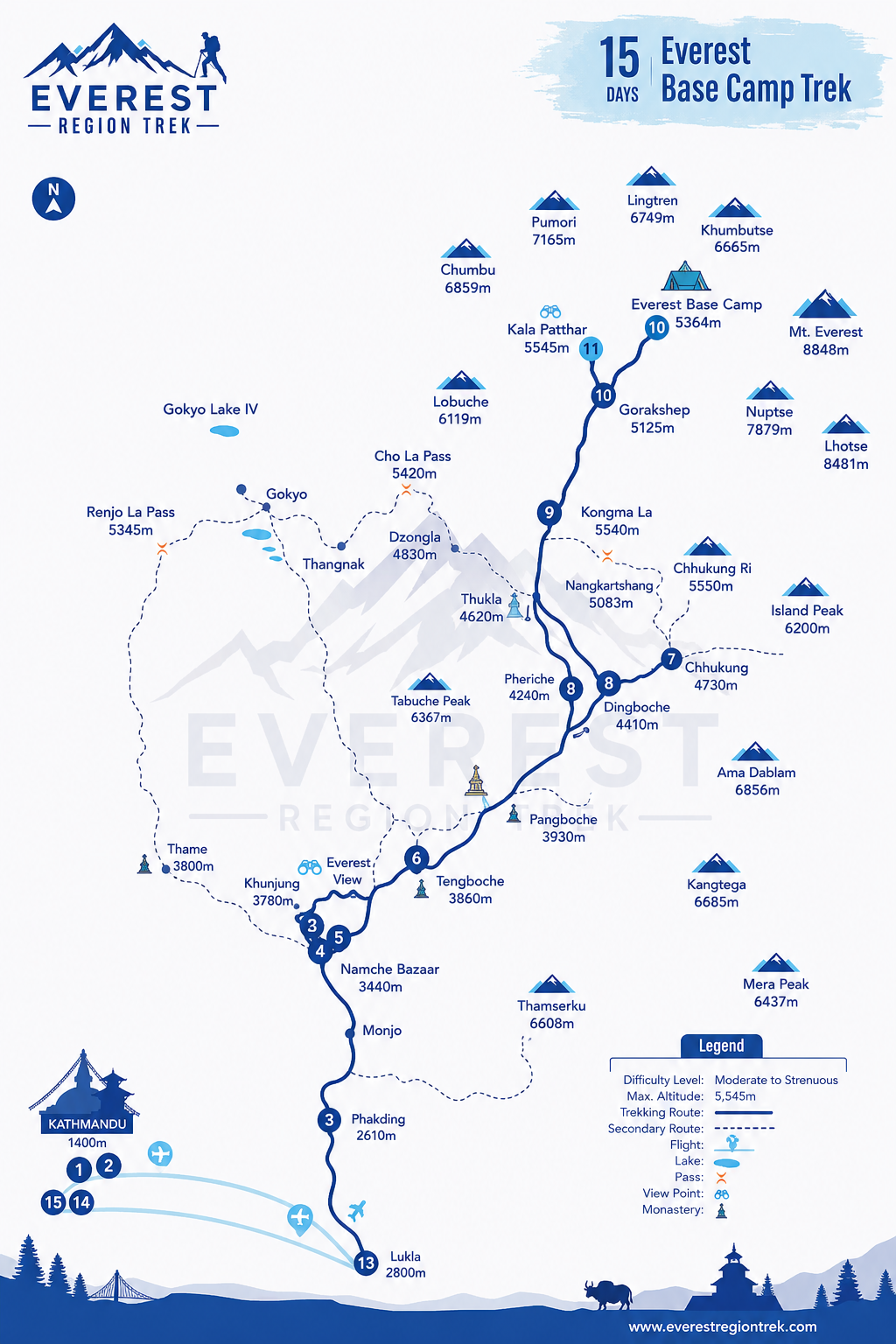
This solo Everest Base Camp trek takes you through the spectacular Khumbu Valley, from the mountain airstrip at Lukla through vibrant Sherpa villages such as Namche Bazaar, Tengboche, Dingboche, Lobuche, and Gorak Shep.
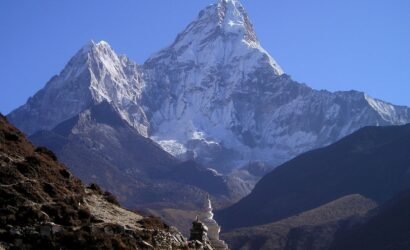
Along the way, you’ll experience Buddhist monasteries, traditional teahouses, suspension bridges, dramatic Himalayan landscapes, and close-up views of Everest, Ama Dablam, Lhotse, Nuptse, and other iconic peaks.
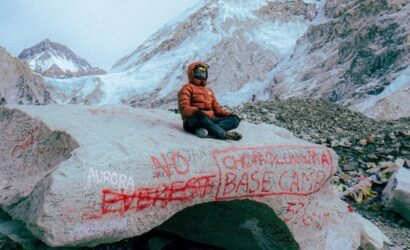
The highlight comes when you reach Everest Base Camp at 5,364 meters (17,598 feet), followed by an early-morning hike to Kala Patthar at 5,545 meters (18,192 feet) for one of the finest panoramic views of Mount Everest.
For solo travelers, we keep the journey personal and practical. You can trek at a comfortable pace, meet fellow travelers along the trail, and enjoy the independence of traveling on your own while our local trekking team takes care of the essential logistics.
The itinerary also includes dedicated acclimatization days in Namche Bazaar and Dingboche, giving your body time to adjust before reaching the higher elevations.
Whether you’re an experienced solo trekker or taking on your first Himalayan adventure, the Everest Base Camp Trek for Solo Travelers gives you the opportunity to turn your solo trip to Nepal into an unforgettable journey to the base of the world’s highest mountain.
Can You Trek to Everest Base Camp Alone?
Yes, you can trek to Everest Base Camp as a solo traveller, but travelling alone does not mean you have to manage everything without support. The Everest Base Camp solo trek follows a well-established route through Lukla, Namche Bazaar, Tengboche, Dingboche, Lobuche and Gorak Shep, where you will meet plenty of trekkers along the way.
If you prefer independence, you can travel on your own while arranging a local guide, porter, or group departure for additional support.
Is the Everest Base Camp Trek Safe for Solo Travellers?
The Everest Base Camp trek is generally suitable for solo travellers who prepare properly, but altitude is the main concern. A gradual itinerary with acclimatization days, sensible pacing, appropriate clothing, travel insurance and an experienced trekking team can make the journey much safer.
The important thing is not to rush and never ignore symptoms of altitude sickness simply because you want to reach Base Camp.
How Much Does an Everest Base Camp Trek Cost for Solo Travellers?
The solo Everest Base Camp trek cost depends on your accommodation, flights, guide and porter services, meals, permits and personal expenses. A private solo trek generally costs more than joining a group because you are not sharing certain operational costs with other trekkers.
When comparing prices, look carefully at what is included rather than choosing a package simply because it has the lowest advertised price.
Do You Need a Guide for a Solo Everest Base Camp Trek?
A guide can make a solo EBC trek much easier, particularly if this is your first high-altitude trekking experience. Your local guide can assist with navigation, teahouse arrangements, communication, acclimatization and unexpected situations on the trail. Current Nepal trekking requirements should also be checked before departure, as regulations can change.
What Is the Everest Base Camp Trek Itinerary for Solo Travellers?
A comfortable Everest Base Camp itinerary for solo travellers generally takes around 15 days from Kathmandu and back, with acclimatization stops at Namche Bazaar and Dingboche. The classic route passes through Lukla, Phakding, Namche, Tengboche, Dingboche, Lobuche and Gorak Shep before reaching Everest Base Camp and Kala Patthar. A slower itinerary with contingency time is often better than trying to complete the trek as quickly as possible.
Can Solo Travellers Join a Group Trek to Everest Base Camp?
Absolutely. Many people travel to Nepal alone and then join an Everest Base Camp group trek with other travellers. It is a good option if you want the freedom of solo travel but prefer having a guide, organized logistics and trekking companions in the mountains. You can arrive as a solo traveller and often leave the trail with new friends from around the world.
What Is It Like to Trek to Everest Base Camp Alone?
A solo Everest Base Camp trek gives you plenty of freedom you can enjoy the scenery at your own pace, take photographs whenever you want and spend time with other trekkers when you feel like socializing.
You are also rarely completely isolated because the EBC trail and teahouses bring together trekkers from many countries. The main difference is that you need to take greater responsibility for your pace, health and decisions.
Where Do Solo Travellers Stay on the Everest Base Camp Trail?
Solo trekkers normally stay in teahouses and mountain lodges along the EBC route. Rooms are generally simple, with beds, blankets and shared or private facilities depending on the village and season.
At higher elevations, accommodation becomes more basic, and during busy trekking seasons, shared rooms may be more common.
How Difficult Is the Everest Base Camp Trek for Solo Travellers?
The Everest Base Camp trek is challenging but does not normally require technical mountaineering skills. The difficulty comes from long walking days, steep sections, cold temperatures and, most importantly, high altitude.
Good walking fitness helps, but acclimatization and pacing are just as important. You don’t need to be an athlete; you need to be prepared and patient.
How Do Solo Trekkers Prepare for Altitude on the EBC Trek?
The best preparation is to allow your body enough time to adjust as you climb. A well-planned EBC solo trek includes acclimatization days at Namche Bazaar and Dingboche, while maintaining a steady pace and staying hydrated.
If you develop worsening altitude symptoms, don’t try to push through them inform your guide or trekking team and descend if necessary.
What Permits Do Solo Travellers Need for Everest Base Camp?
The Everest Base Camp route passes through the Sagarmatha National Park and the Khumbu region, so trekkers need the applicable permits and entry documents for their itinerary. Requirements and procedures can change, so solo travellers should confirm the latest regulations before departure.
If you book a trekking package, your agency should clearly explain which permits are included in the price.
What Is the Best Time for a Solo Everest Base Camp Trek?
The best seasons for a solo Everest Base Camp trek are generally spring and autumn, particularly March to May and September to November, when trekking conditions are usually more favorable and mountain visibility can be excellent.
Winter is much colder at higher elevations, while the monsoon season can bring rain, clouds and transportation disruptions. For first-time solo trekkers, spring and autumn are usually the easiest seasons to plan around.
Solo Everest Base Camp Trek with a Guide vs. Without a Guide
Trekking with a guide gives you more support with navigation, accommodation, altitude awareness and local logistics, while independent trekking offers greater freedom and responsibility.
For experienced high-altitude trekkers, travelling independently may feel natural where permitted; for first-time trekkers, a knowledgeable local guide can provide valuable reassurance. You can also choose a middle ground by joining a small group or arranging a private guide while still travelling to Nepal as a solo traveller.